
Through a connected lighting system and the Interact Sports API, Aluzina Madrid was able to gain valuable insights into customer usage and habits at this Madrid sports facility.
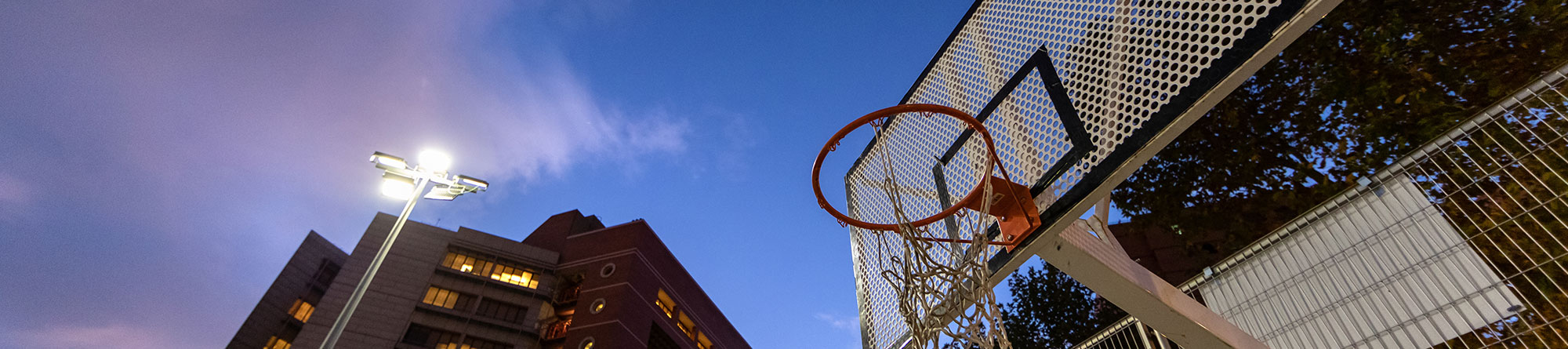
IDB Santa Hortensia
Madrid, Spain

“The relationship with Signify has been perfect. They gave us a very clear introduction to their open software platform, Interact Sports. Signify also allowed us to make the connection between their lighting hardware and our app.”
- Alejandro Hernández, Founder, Aluzina Madrid

Customer challenge
The City Council of Madrid wanted to learn more about the use of sports centers around the city in order to provide a better experience for its citizens. In a pilot project at local sports center IDB Santa Hortensia, tech company, Aluzina, created an app called Aluzina Madrid which uses the Interact Sports Light control API to measure valuable usage data.
The Aluzina Madrid app is oriented towards the public. People who download the mobile app on iOS or Android devices can locate a sports center near them and turn on the lights at that sports facility. The app also supports the work of facility and public district managers.
The Interact Sports Light control API enables Aluzina Madrid’s app to display data collected by the luminaires. City authorities can then analyze that data and make decisions that will help the city achieve energy savings and provide better facilities to its citizens.
User data that was captured from December 2018 to April 2019 confirmed that most players came from the area of the city immediately adjacent to IDB Santa Hortensia. They seemed to opt equally for basketball and soccer, were overwhelmingly male, and were more likely to fall into the 25-34 age bracket.
However, the facility does attract a wide range of age groups. 95% of participants played as part of a team and organized themselves in advance.
Most activity is after 7pm and the pitches are still in good use between 9 and 11pm, with Fridays, Saturdays, and Sundays being the most popular days of the week.
By understanding who is using the pitches and when, site managers can set lighting schedules that provide the right light at the right time. This leads to less wasted energy and ultimately more savings.
By collecting a vast amount of information about how players use the facilities, the Madrid municipality can provide better services for its citizens. And with the connected lighting system, the municipality was able to save additional energy on top of any benefit already gained from switching from halogen to LED. The overall savings in CO2 reached 904 kg over the duration of the pilot scheme.
Discover other case studies
The KNVB Campus - Zeist, The Netherlands
Interact and Certified System Integrator Oostendorp Nederland B.V. teamed up to transform the KNVB Campus in Zeist – the beating heart of Dutch football.
Optimizing a Hoog Op Tennis Club’s lighting
Signify Certified System Integrator, Oostendorp Nederland, delivered an innovative, connected lighting solution to enhance the member experience at Hoog Op Tennis Club.
Grand Stade de Tanger by Lamalif
The Ibn Batouta Stadium in tangier stands as a true showcase of Signify’s cutting-edge lighting technology. Featuring Arenavision with BVP428 luminaires for the pitch and ClearFlood BVP650 for the stands, and Unistrip BCP383 for the façade. The stadium delivers unmatched visibility, safety, and ambiance for players and fans alike. This state-of-the-art system positions the venue at the forefront of global sports infrastructure, ready to shine brilliantly for AFCON 2025, the 2030 World Cup, and millions of passionate fans across the continent.
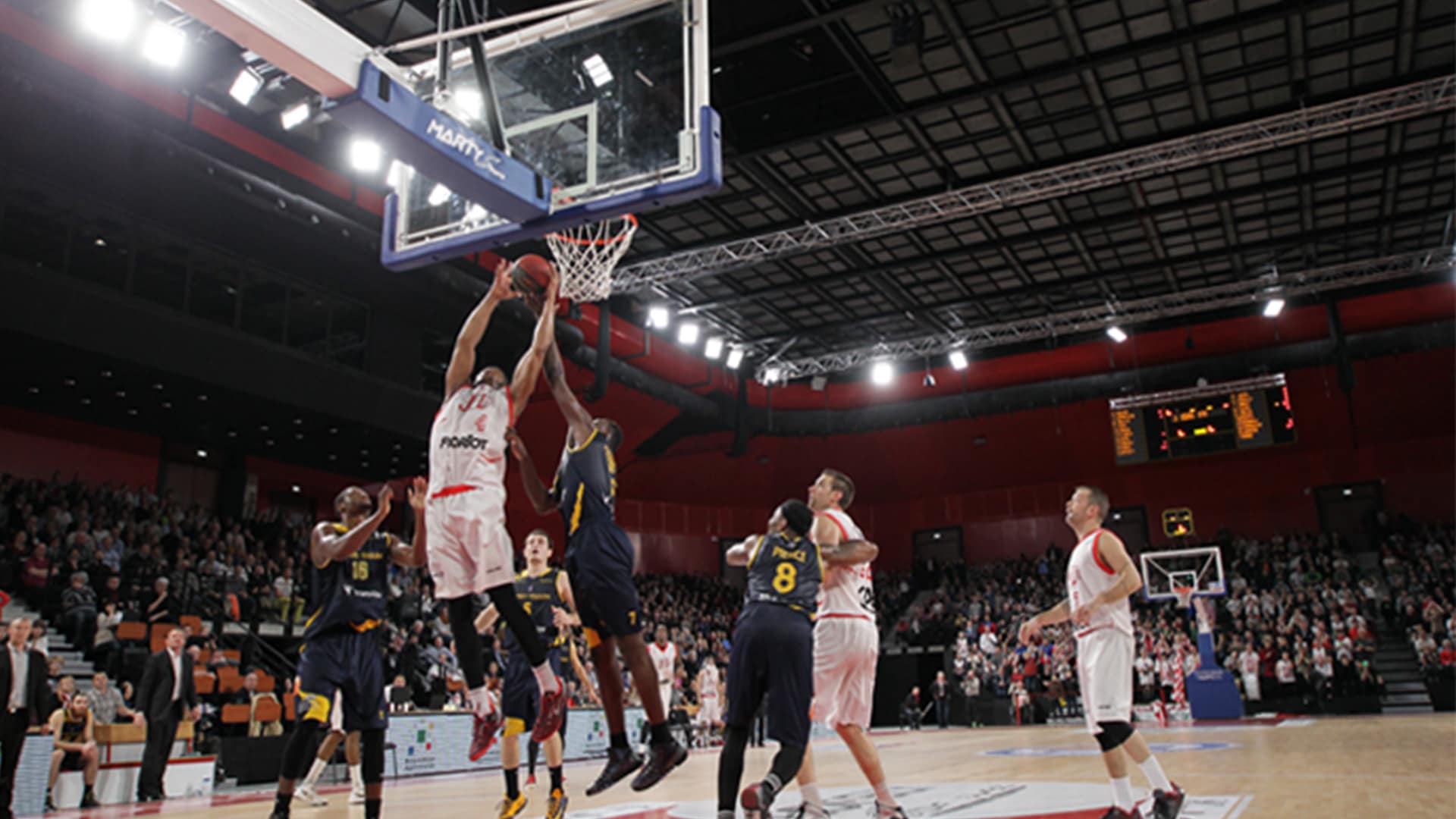
Ekinox Arena
Philips ArenaVision LED sports lighting in Ekinox Arena

Lacrosové hřiště Radotín
Signify provided Philips SunStay solar or hybrid-powered luminaires, improving the lighting in eight different municipalities across the Veneto region in Italy.
Smart office lighting – Arrival
Bus operator Arriva achieved complete control over their lighting and reduced energy usage thanks to Interact Pro.
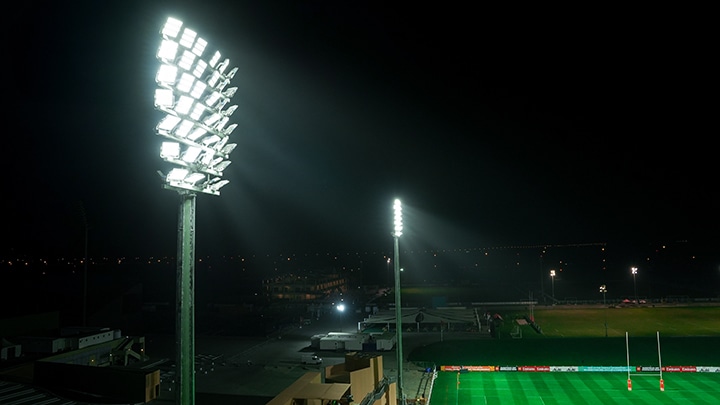
Sevens Stadium - UAE
Lighting the future of sport with sustainability in every kick
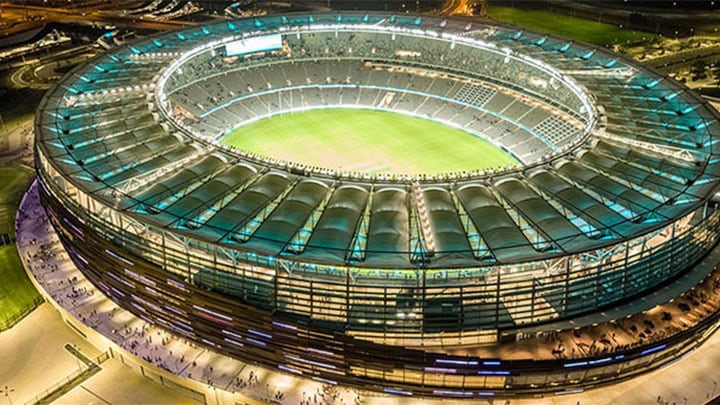
A focus on fan experience and new revenue streams – Optus Stadium
With the goal of creating the ultimate fan experience, the recent all-LED lighting and Interact Sports software at Optus Stadium makes it the premier multipurpose venue in the Southern Hemisphere.
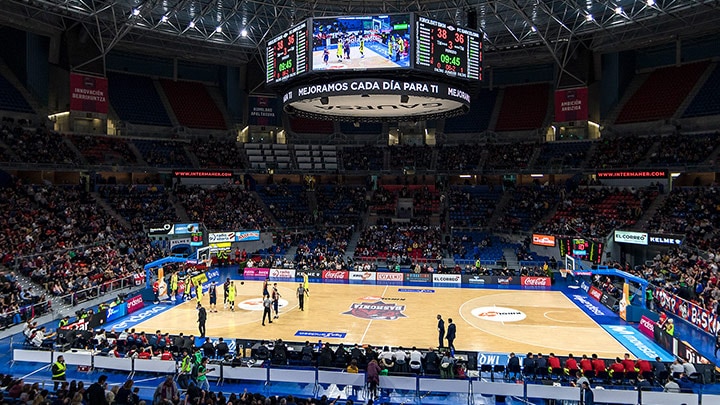
Smart lighting for best multipurpose arena experience – Buesa Arena
The Fernando Buesa Arena in Spain converted 100% of the lighting to LED and connected via a standard wired connection, all remotely controlled and managed with Interact Sports.
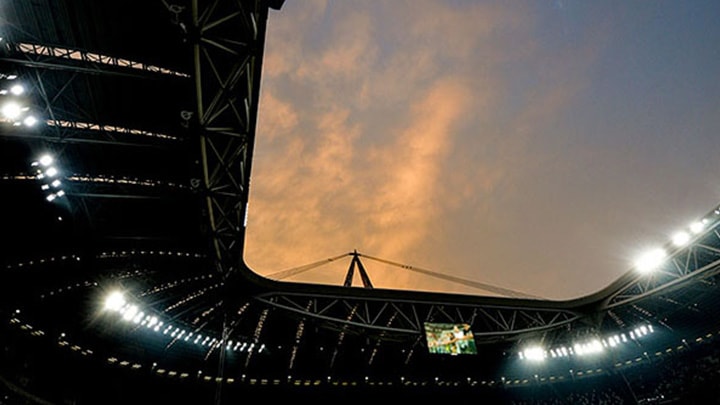
Fan experience and easy control – Allianz Stadium
Interact Sports offers an easy-to-use dashboard to control all the lighting systems in Allianz Stadium. Allianz now enjoys increased fan engagement, high-quality broadcast capabilities and new revenue potential.
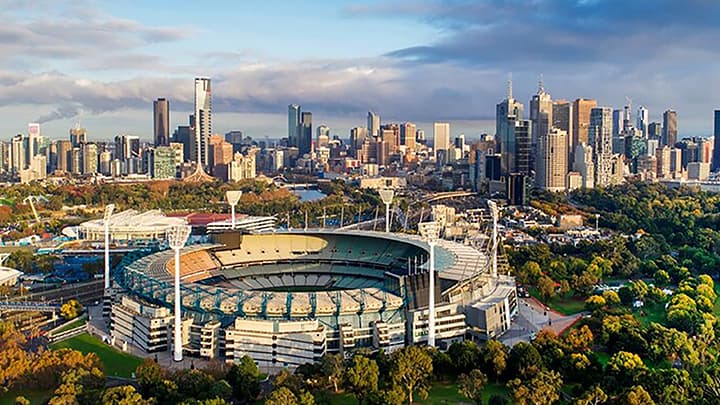
Melbourne Cricket Ground by Lightmoves
The Melbourne Cricket Ground (MCG), a 100,000 person stadium in Melbourne, hosts major international, national, and local sporting events and concerts, including the Boxing Day Test, AFL Grand Final, and performances by artists such as AC/DC and Taylor Swift. The project involved retrofitting 12 electrical zones across 7 levels, replacing the legacy control system with a Dynalite solution to deliver enhanced, venue-wide control.
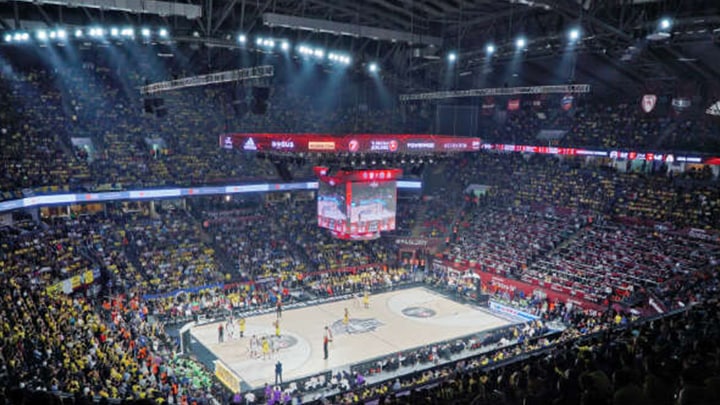
Connected stadium – fan experience
As Turkey’s largest multipurpose venue, the Sinan Erdem Arena has installed Interact Sports management software to bring a connected stadium concept to life using connected LED lighting infrastructure.

Starting a project?
We’d love to hear from you.