
Recessed
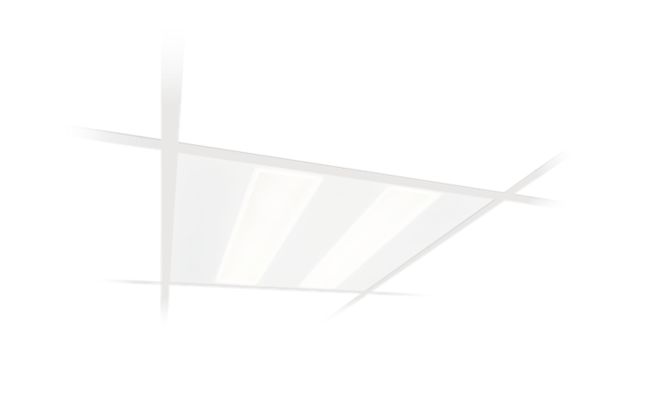
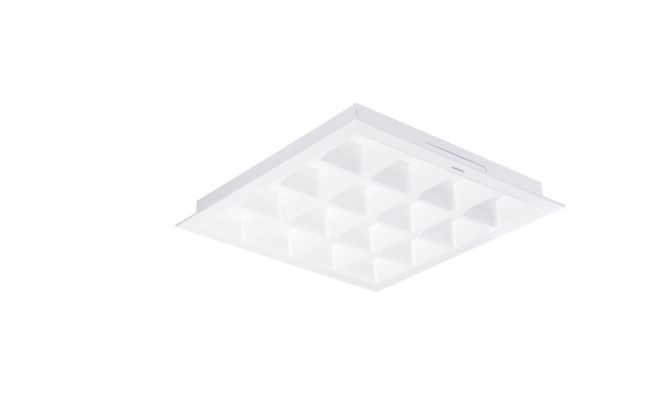
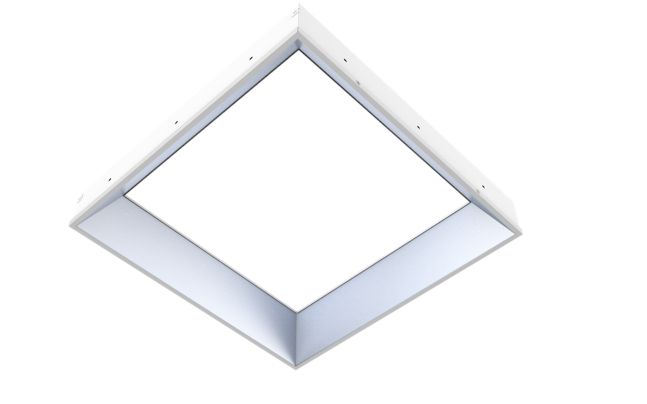
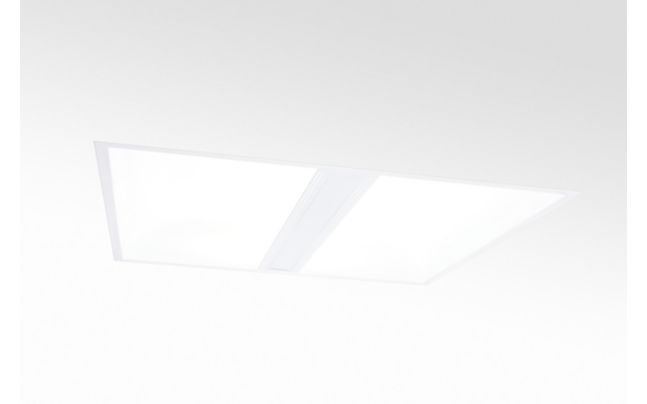
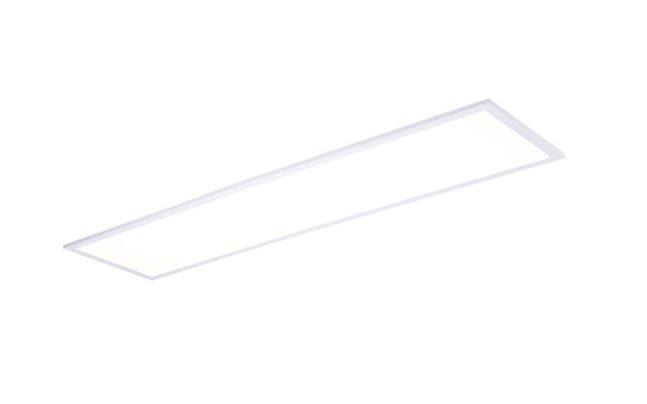
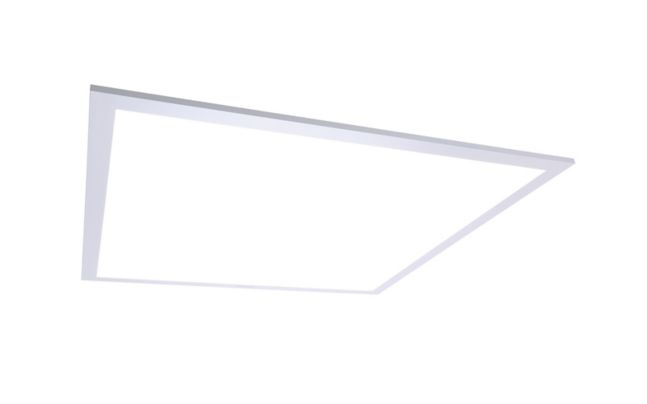
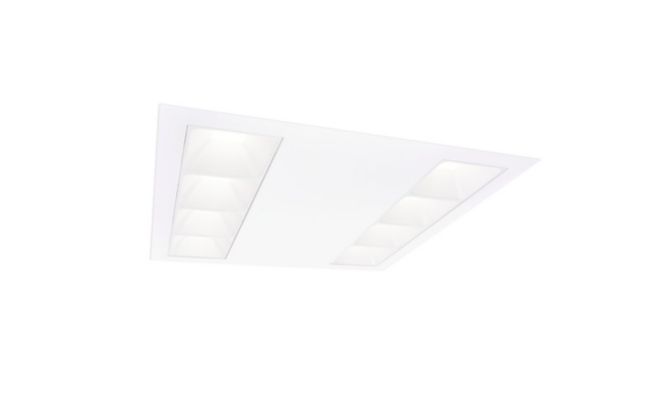
Philips' recessed lights have been designed with lower operational costs and energy savings in mind. Our recessed LED lights and recessed ceiling lighting uniquely meet the requirements of offices and other indoor areas, consuming less energy whilst providing a comfortable working environment.
Popular filters






FAQs
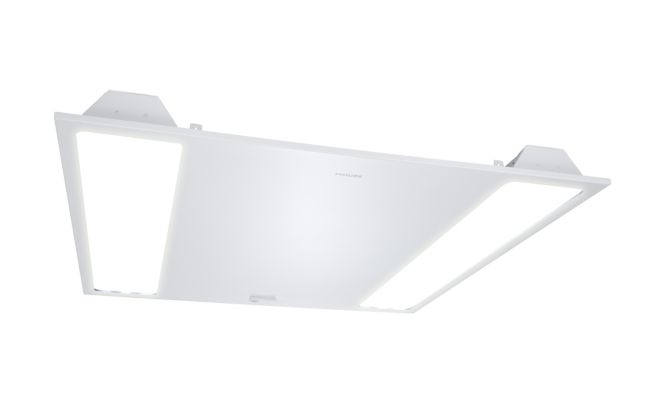
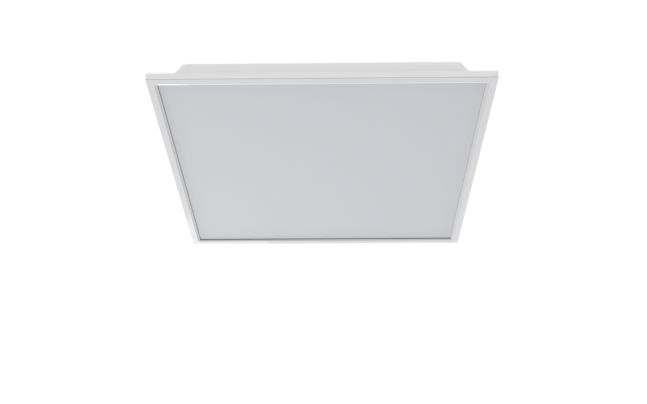
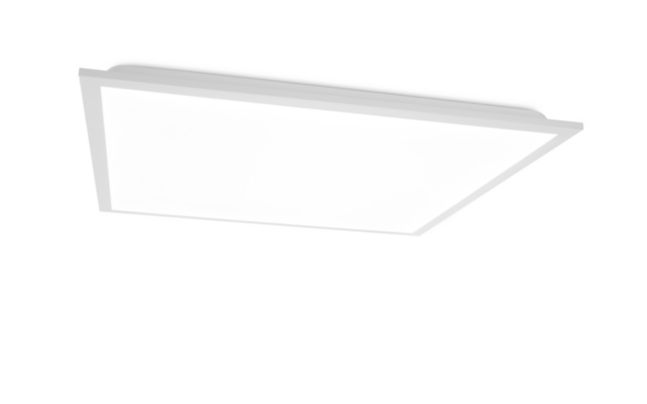
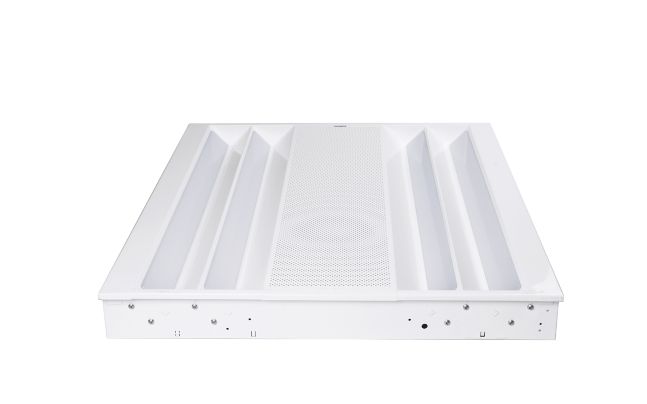
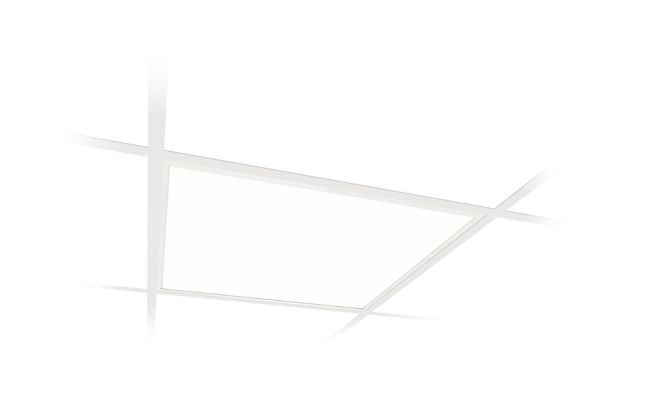
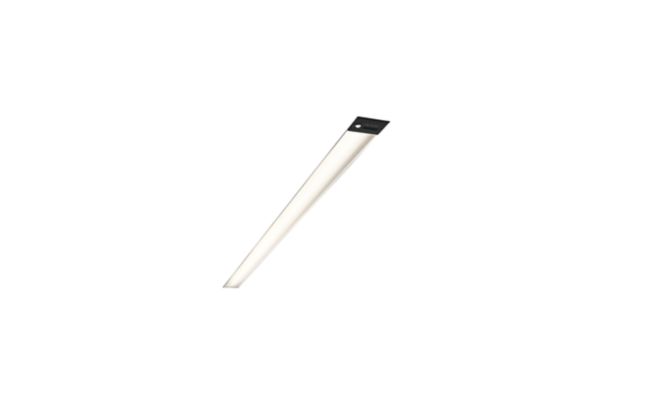
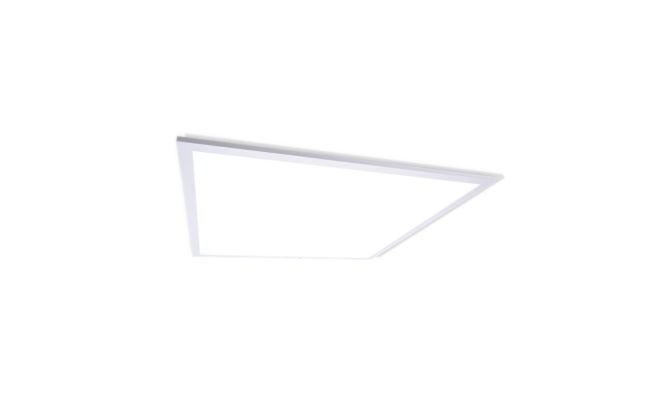
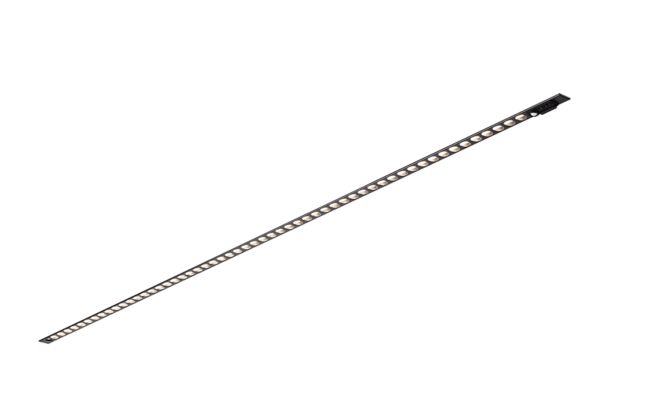
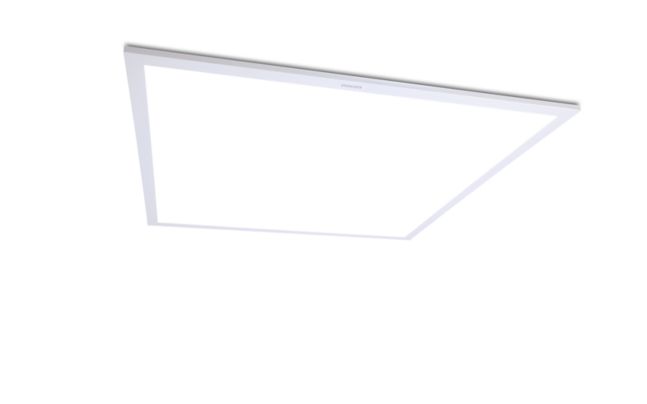
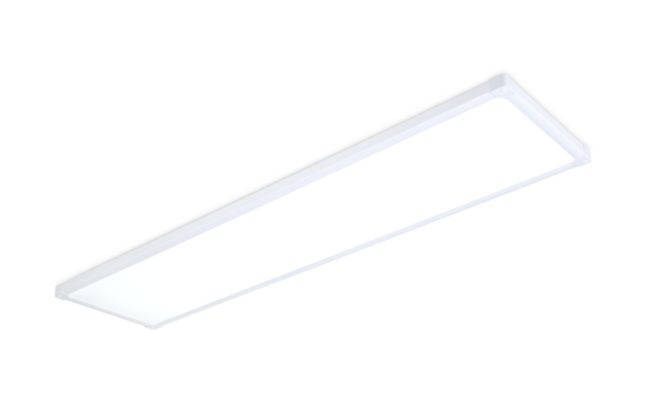
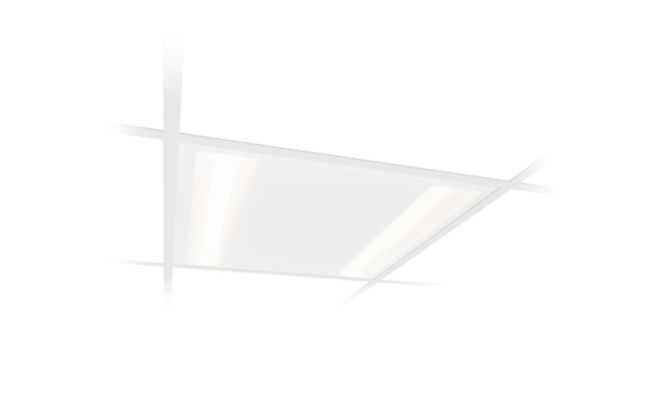
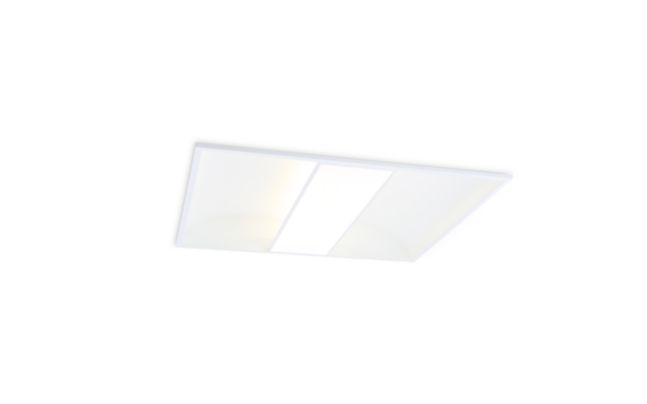
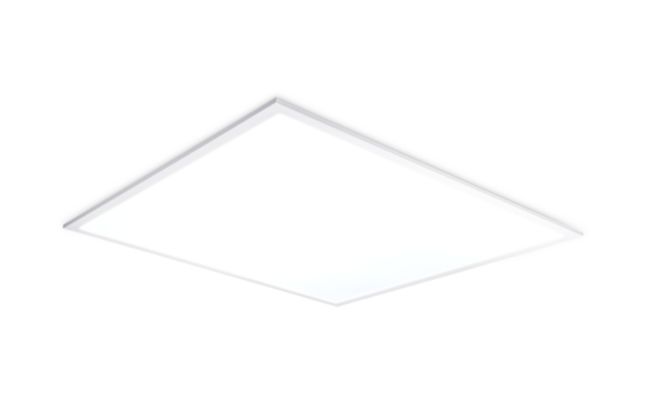
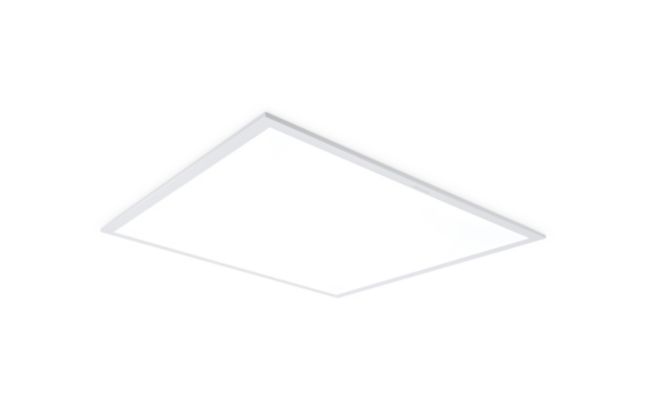
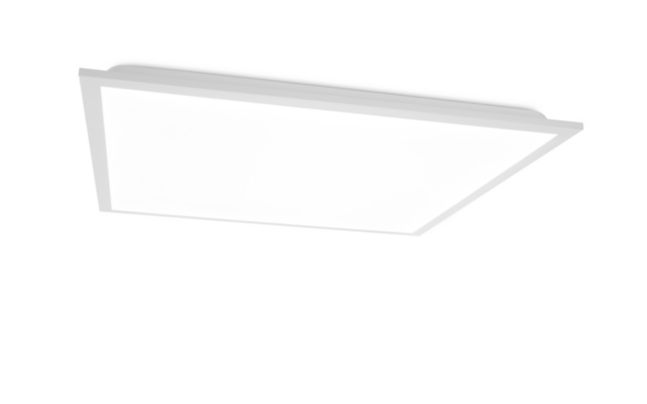
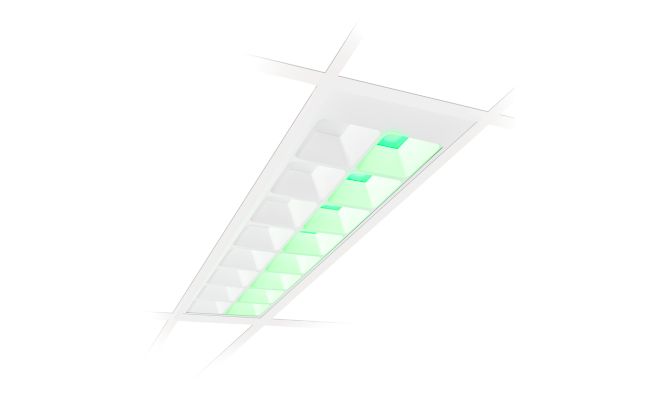
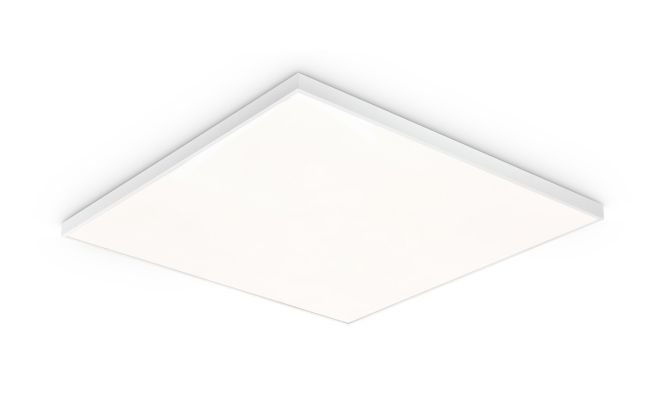
The recessed LED lighting range on this page spans a broad portfolio, from specification-grade families such as Philips PowerBalance gen2 and Philips TrueLine, recessed to application-specific families like GreenPerform Classroom and PowerBalance recessed HC, alongside cost-efficient options such as CoreLine Panel gen6 and the Essential and SmartBright series. Each family addresses distinct installation requirements — format, lumen package, and control capability.
Across the families on this page, efficacy reaches up to 179 lm/W, with wattage spanning from 12.2 W to 41.5 W. giving specifiers and installers the flexibility to match lumen output to the task illuminance target for each space, validated through DIALux or Relux calculations against EN 12464-1 Table 5.3 illuminance requirements.
CCT options span 2,700 K to 6,500 K, enabling selection from warm-white hospitality tones through to cool-daylight settings suited to task-intensive environments. CRI reaches up to 90 across the families, supporting demanding visual-comfort applications where accurate colour rendering is a specification requirement. Refer to individual family datasheets for the specific CCT and CRI combinations available per product.
The range includes families with UGR values as low as 16, which satisfies the UGR ≤ 19 threshold specified in EN 12464-1 Table 5.3 for tasks involving VDU and computer work. However, achieving UGR compliance is architectural and installation-driven — ceiling void availability, luminaire layout, and room geometry all influence the final UGR result, and photometric verification via DIALux or Relux is required for each project.
IP ratings available across the range include IP20, IP40, IP44, IP54, and IP65, accommodating environments from standard dry offices through to areas requiring resistance to dust and moisture. reflecting mechanical impact resilience across variants. Families such as GreenPerform ultra efficient panel RC199B and GreenPerform Panel Ultra Efficient RC200B extend the portfolio into more demanding installation contexts.
DALI dimming is supported across the range, with DALI-2 and D4i variants available for installations requiring multi-master addressing or sensor-on-driver capability. Interact-Ready luminaires with WIA, SIA, WEIA, or SEIA drivers provide a wireless path to connected lighting via the Interact platform — without DALI bus wiring. Many CoreLine and Ledinaire families also incorporate integrated movement and light sensors for cost-effective local control.
significantly reducing maintenance frequency compared with conventional light sources. These lifetime figures are expressed under standard operating conditions as defined per each product's datasheet. Warranty is 5 years across the range — though warranty terms can differ by country or market, and the applicable conditions should be confirmed with the local Signify representative or authorised partner.
Datasheets, IES/LDT photometric files, and BIM/Revit objects are available for download from each family's product page on signify.com. For families with Online Product Configurator (OPC) support, project-specific photometric files and datasheets can be generated directly from configured codes. To source installation drawings, accessory compatibility details, or a full bill of materials for a project, contact Signify or an authorised partner for specification support.
This is Signify's global product page. Country-specific regulations — such as the EU EcoDesign Directive, EN 60598 Part 1 general safety requirements, and the EU Single Lighting Regulation 2019/2020 — vary by market and are not fully covered here. For regulatory and compliance information applicable to your installation, visit the Signify website for your country via the country selector, where the corresponding category page lists locally compliant variants and the applicable standards.