How can I start growing with LED lighting?
Grow more, all year round
Adding LED lighting is more than a technical upgrade - it changes how you grow. With a cultivation strategy tailored to supplemental light, you can give crops the light they need when natural daylight falls short. This helps maintain stronger, more consistent growth during darker periods, opening opportunities to increase yield and extend production across the year. By aligning light levels with climate, irrigation and crop needs, you can turn periods of limited sunlight into productive growing time and create more potential revenue from your greenhouse.
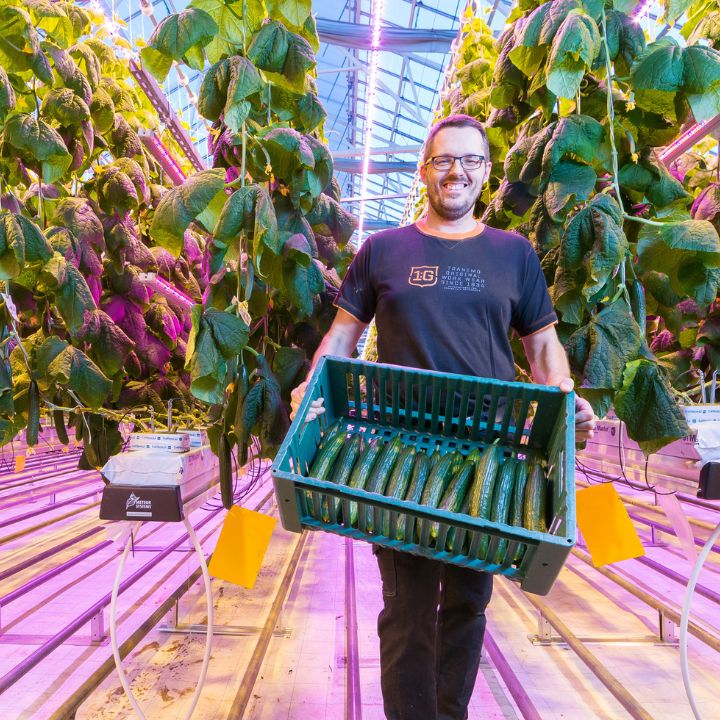
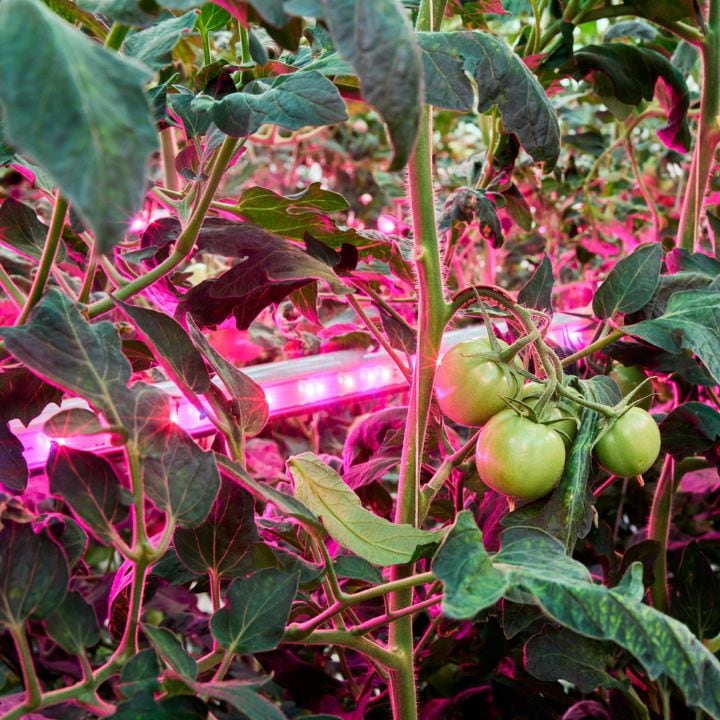
For vegetables and fruit crops, adding Philips LED lighting makes it possible to increase production even when daylight is limited. A cultivation strategy that aligns light with temperature, irrigation and crop needs can support stronger growth, consistent quality and higher yields during darker periods. This helps you extend the growing season, improve supply reliability and create more revenue potential throughout the year.
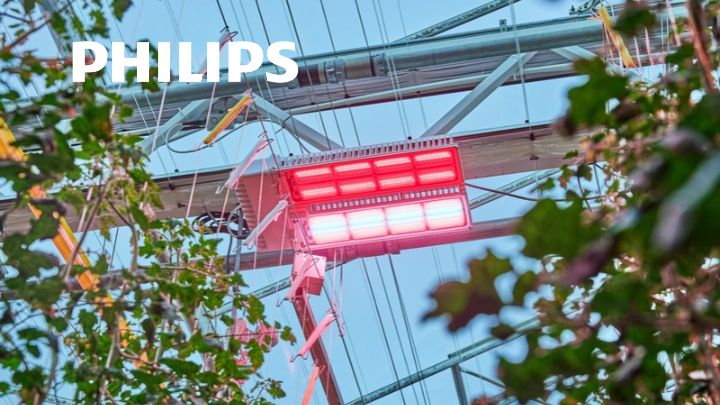
Philips GreenPower LED toplighting force elite
Optimized performance with intelligent control
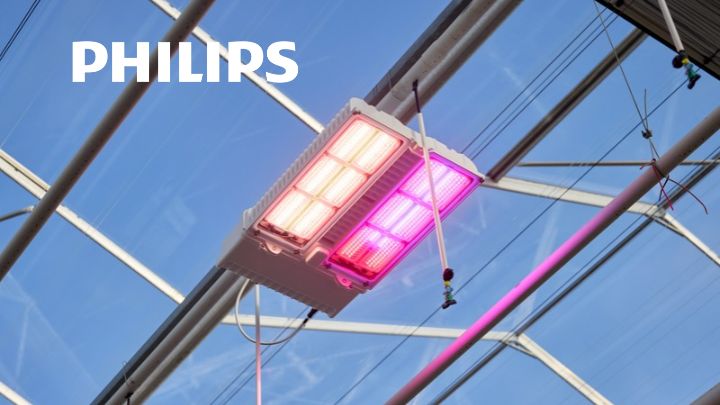
Philips GreenPower LED toplighting force performance
Reliable LED performance and smart investment
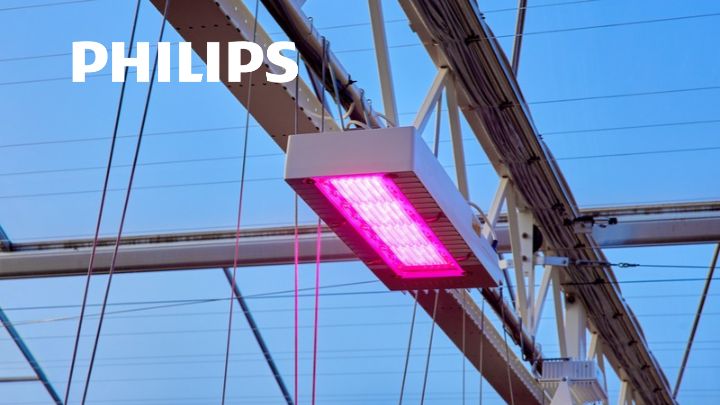
Philips GreenPower LED toplighting compact
The easy, flexible switch to LED
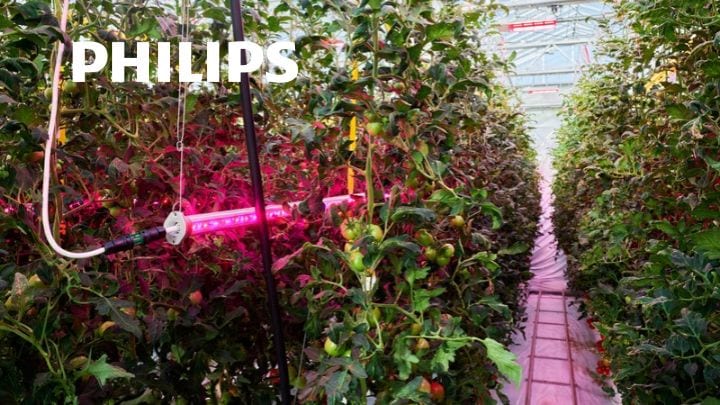
Philips GreenPower LED interlighting
Targeted canopy light where you need it the most
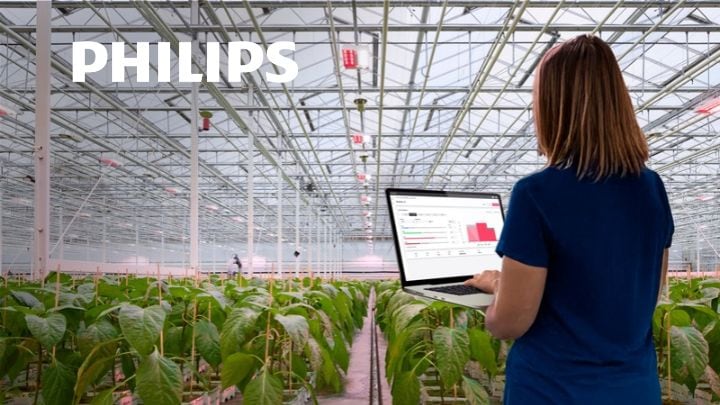
Philips GrowWise control
Manage recipes and control every site, from anywhere
Philips GreenPower LED flowering lamp
Extend daylight to boost crop results
For floriculture crops, adding Philips LED lighting gives you greater control over crop morphology and uniformity when natural daylight is limited. By tailoring light intensity and spectrum to each growth phase, you can influence plant shape, compactness and flowering. Combined with the right climate and irrigation strategy, LED lighting supports more consistent batches, predictable crop timing and reliable quality throughout the year.
Philips GreenPower LED toplighting force elite
Optimized performance with intelligent control
Philips GreenPower LED toplighting force performance
Reliable LED performance and smart investment
Philips GreenPower LED toplighting compact
The easy, flexible switch to LED
Philips GrowWise control
Manage recipes and control every site, from anywhere
Philips GreenPower LED flowering lamp
Extend daylight to boost crop results
Frequently asked questions
Find answers about adding Philips LED grow lights to an unlit greenhouse to increase yields and support reliable year-round production.
Adding LED lighting is more than a technical upgrade — it changes how you grow. Crops receive light when natural daylight falls short, so your cultivation strategy has to be built around supplemental light rather than bolted onto it. Aligning light levels with climate, irrigation and crop needs is what turns periods of limited sunlight into productive growing time.
During the darker periods, when natural daylight limits what the crop can produce. Lighting those months results in higher yield, extends production across the year and improves supply reliability - so you can commit to customers in seasons when an unlit greenhouse cannot. The result is more revenue potential from the same greenhouse footprint. In regions with high solar radiation, interlighting brings sufficient light deeper into the crop, helping growers turn abundant sunshine into stronger year-round performance.
The right solution depends on your business case, greenhouse design and energy setup. In many cases, a logical starting point is toplighting - Philips GreenPower LED toplighting force elite, force performance and toplighting compact cover most greenhouse installations. High-wire crops can add Philips GreenPower LED interlighting for light inside the canopy, and the flowering lamp handles day extension where you need to steer timing. GrowWise control manages the light recipes across multiple locations.
Yes. The purpose of the light - and therefore the light recipe - differs by crop. A light recipe defines the balance of green, blue, red and far-red LEDs, together with light intensity and photoperiod. For vegetables and fruits, recipes are typically designed to improve quality, taste, stretching or compactness. For floriculture, the spectral balance and timing are tailored to steer results such as plant shape, compactness, stem length, uniformity and flowering. Each recipe should match the crop, variety and growth phase.