What does it take to switch from HPS to LED lighting?
Why switch from HPS to LED?
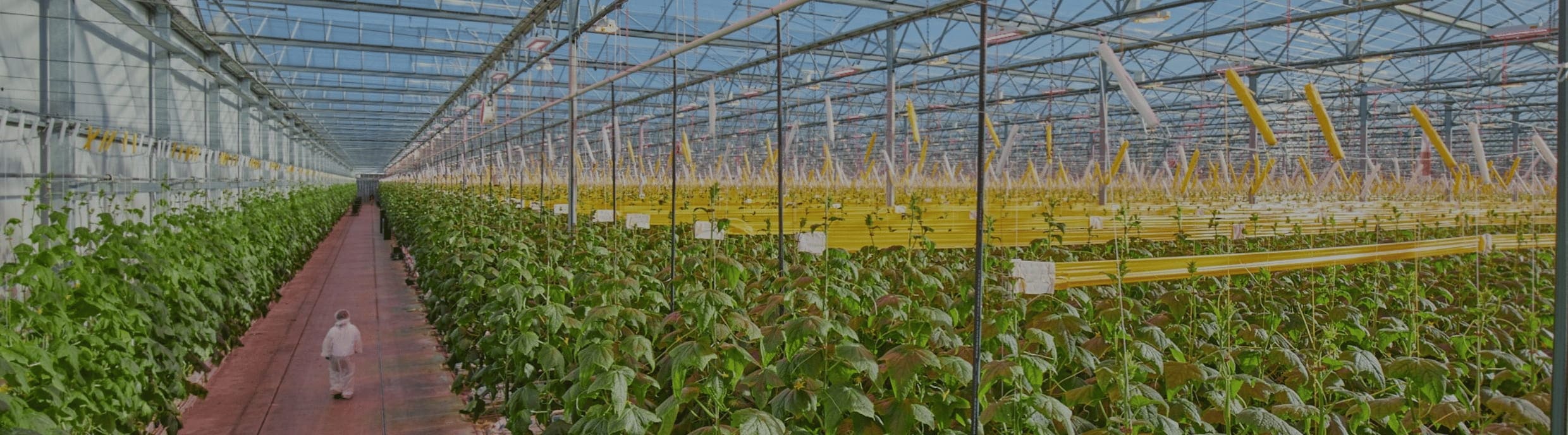
Switching from HPS to LED changes more than your energy use. Philips LED grow lights deliver more light with up to 67% less radiant heat, allowing you to control light and heat separately. This can improve climate control, reduce plant stress and give you greater flexibility to optimize crop quality, yield and year-round production. Because LEDs affect crop temperature and humidity differently from HPS, the right cultivation strategy is essential to achieve the best results.
For tomatoes, cucumbers, peppers and other fruiting crops, switching from HPS to Philips LED lighting helps maintain the light levels needed for strong growth and fruit production with up to 50% less lighting energy. Lower radiant heat gives you more freedom to extend lighting hours without overheating the crop, supporting better fruit quality, fewer seasonal production dips and a more reliable year-round supply.
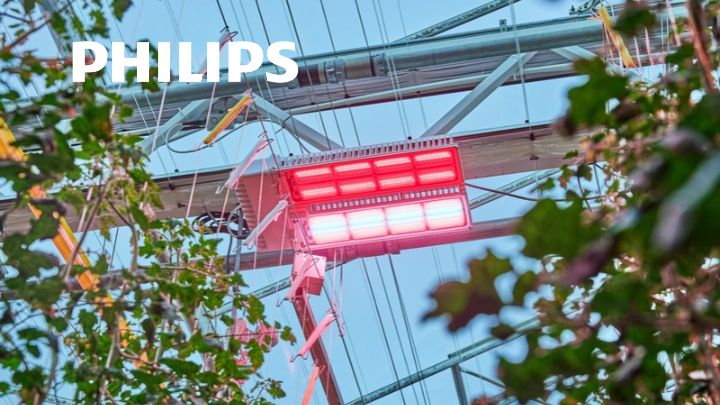
Philips GreenPower LED toplighting force elite
Optimized performance with intelligent control
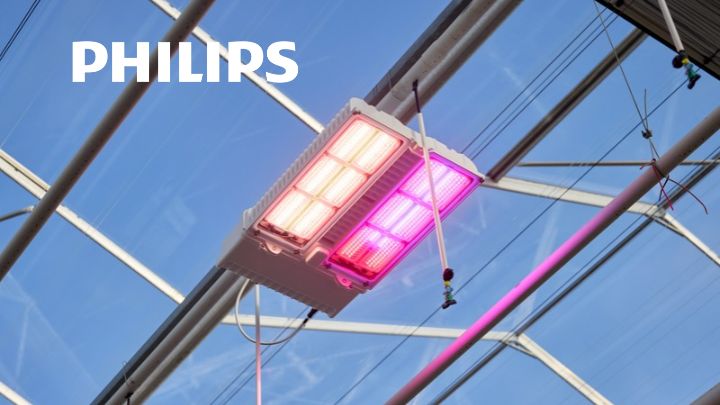
Philips GreenPower LED toplighting force performance
Reliable LED performance and smart investment
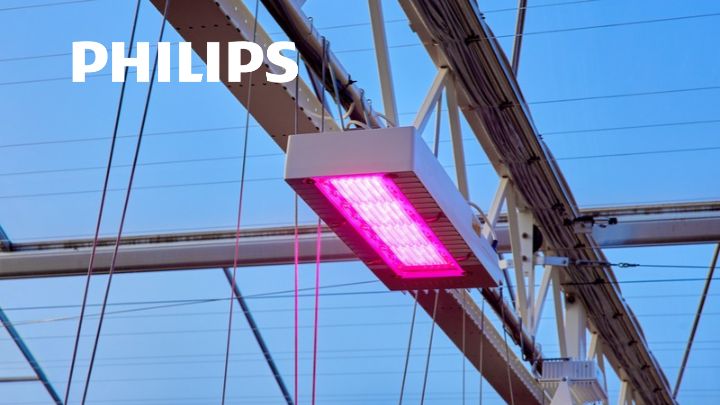
Philips GreenPower LED toplighting compact
The easy, flexible switch to LED
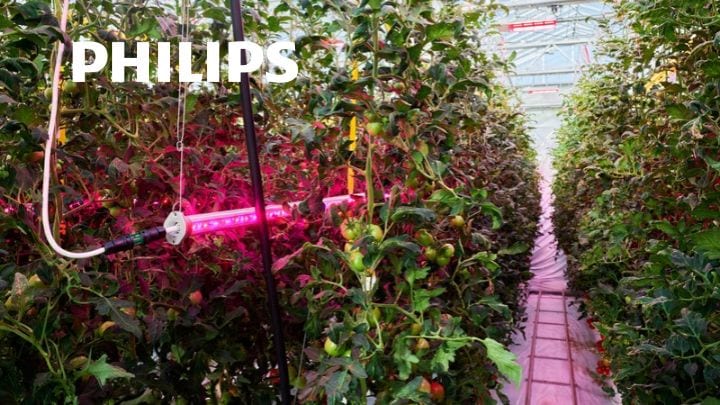
Philips GreenPower LED interlighting
Targeted canopy light where you need it the most
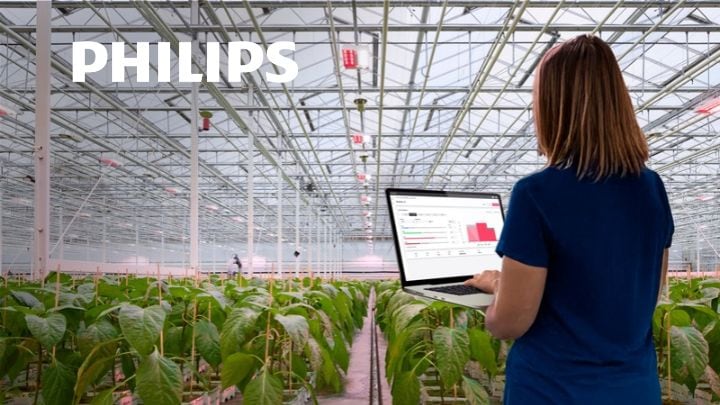
Philips GrowWise control
Manage recipes and control every site, from anywhere
For cut flowers, potted plants, bedding plants and perennials, switching from HPS to Philips LED lighting can reduce lighting energy use by up to 50%. Lower radiant heat gives you greater control over greenhouse temperatures and allows longer lighting hours when conditions permit. With the right light recipe, you can improve crop uniformity, achieve the desired stem length, support flower quality and vase life, shorten production cycles and maintain reliable year-round production.
Philips GreenPower LED toplighting force elite
Optimized performance with intelligent control
Philips GreenPower LED toplighting force performance
Reliable LED performance and smart investment
Philips GreenPower LED toplighting compact
The easy, flexible switch to LED
Philips GrowWise control
Manage recipes and control every site, from anywhere
Grower stories and expert knowledge

Den Berk Délice advances tomato growing with dimmable LED
Learn how Den Berk Délice uses dimmable Philips LED lighting combined with their climate control to accelerate tomato growth, improve quality and predictability.
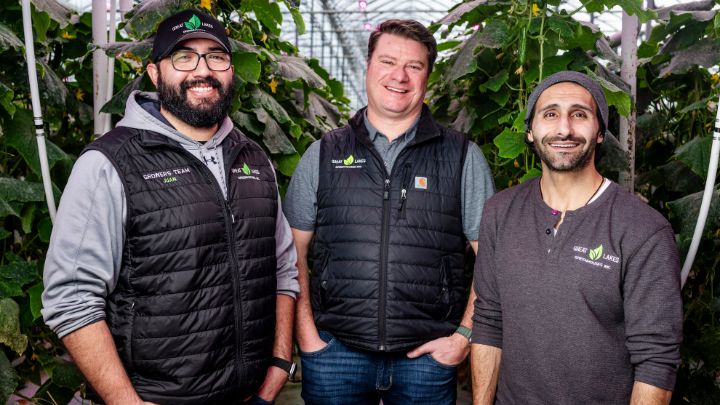
Great Lakes optimizes cucumber production with dimmable LED
Learn how Great Lakes Greenhouses uses dimmable Philips LED lighting and GrowWise control for uniform, efficient cucumber production year-round.
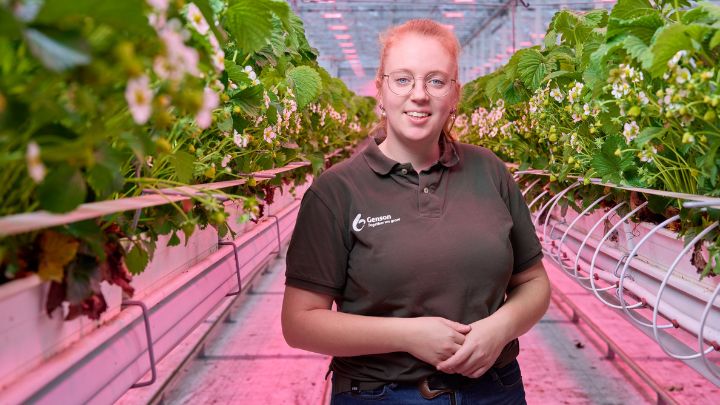
Genson improves strawberry quality with intelligent LED lighting
Discover how Genson uses custom light recipes and automatic dimming to improve strawberry quality, worker comfort and sustainable winter production.
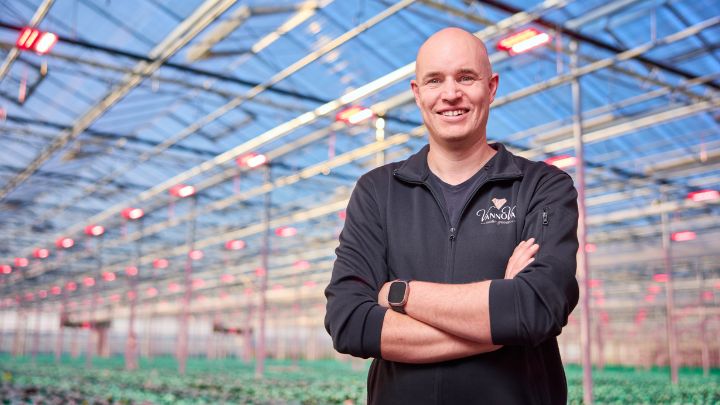
J&A Chrysanten grows top-quality flowers year-round
See how J&A Chrysanten uses dynamic Philips LED lighting and GrowWise control to improve uniformity, save energy and grow quality crops year-round.
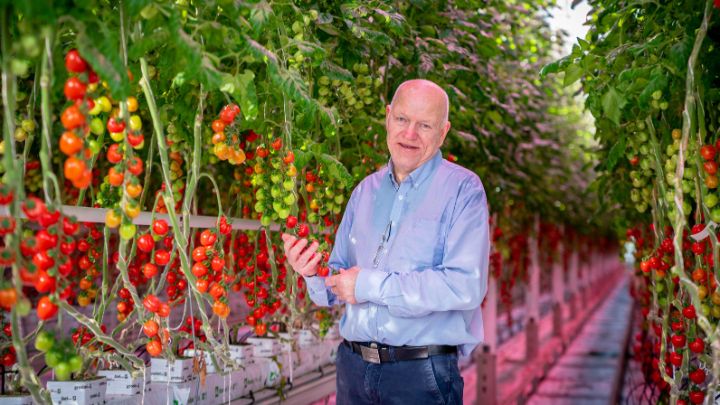
Miljøgartneriet grows consistently with smart LED control
See how Miljøgartneriet uses Philips LED toplighting and GrowWise control to maintain crop consistency while reducing energy consumption.
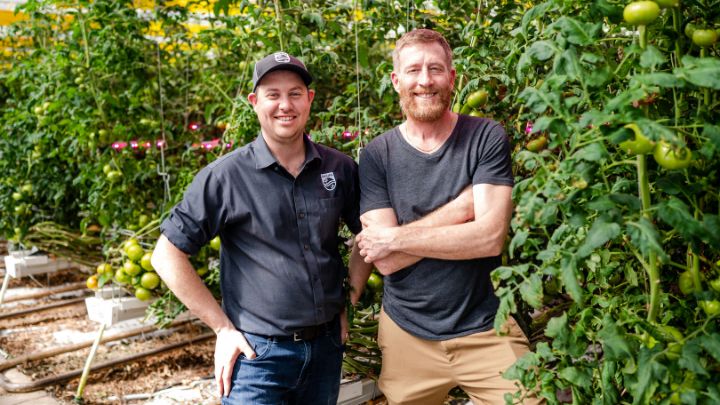
Den Haan increases winter production by up to 40%
Discover how Den Haan uses Philips LED interlighting and toplighting to grow quality tomatoes through winter and increase production by up to 40%.
Knowledge to switch to LED lighting
Frequently asked questions
Find answers about switching from HPS to Philips LED grow lights to reduce energy use, improve crop performance and optimize your growing strategy.
You gain control of light and heat separately. Philips LED grow lights deliver more light with up to 67% less radiant heat, so lighting hours are no longer dictated by how much heat the crop can take. That influences your climate strategy and reduces plant stress, but it also means the cultivation strategy has to be reworked rather than carried over.
Up to 50% less lighting energy, for fruiting crops and floriculture alike, while maintaining the light levels crops need for strong growth and production. Lower radiant heat adds a second gain: you can extend lighting hours without overheating the crop, which reduces seasonal production dips and supports a more reliable year-round supply.
Yes. LEDs affect crop temperature and humidity differently from HPS, so the right cultivation strategy is essential to get the full benefit. Heating and humidity control have to compensate for radiant heat the HPS lamps used to supply. Design the light plan and the climate plan together, and use Philips GrowWise control to align recipes with your climate computer.
Den Haan increased winter production by up to 40% using Philips interlighting and toplighting together. Den Berk Delice combines dimmable LED with climate control to accelerate tomato growth and improve predictability, while Great Lakes and Genson pair dimmable LED with Philips GrowWise control for uniform, efficient production. Results depend on crop and cultivation strategy.