Global - English

How smart lighting design can turn a stadium into a future-ready, multi-use venue

Five stadium lighting design myths—busted!


Lighting a modern stadium has become increasingly complex, and projects are frequently accompanied by high expectations and a few persistent myths.


As sporting events require high-quality, broadcast-ready illumination and stadiums double as concert arenas or even esports venues, specifiers have a lot more to consider than just switching on big lights.


This article busts five common myths that often surface in stadium lighting projects, offering clarity on best-practice design and how smart, connected solutions are indispensable.

Myth #1: “The more light, the better the stadium.”


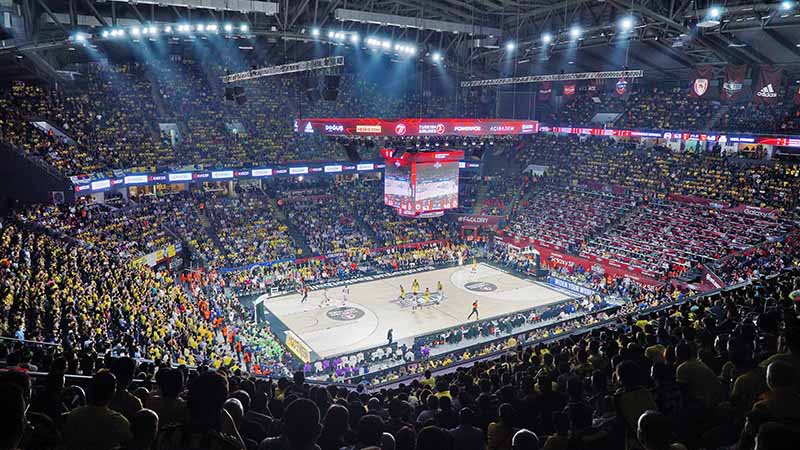
The reality: Simply maximizing illuminance (the amount of light falling onto the playing surface, for example) isn’t the solution. Over-engineering illuminance can waste energy and cause glare issues, while uniformity and color quality are just as critical. The latest standards recommend lower illuminance levels—really, it’s about quality of light, not just quantity.
The more light, the better the stadium

Myth #2: “Hit the horizontal lux spec and you’re done.”


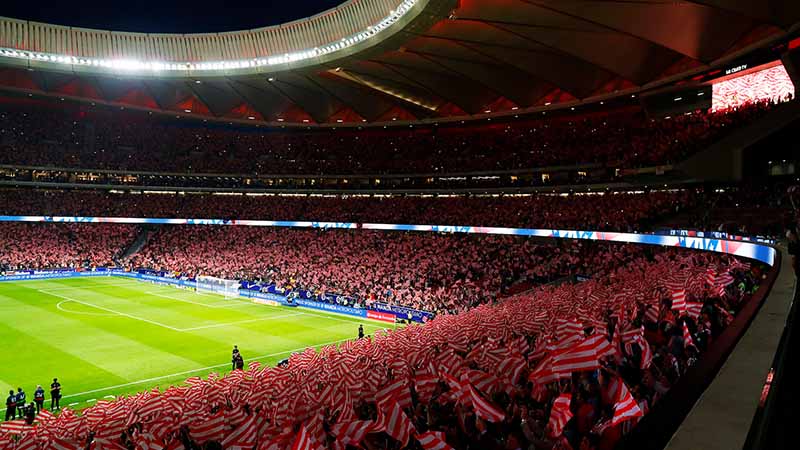
The reality: Focusing solely on the average horizontal illuminance is insufficient. Stadiums need strong vertical illuminance as well, for cameras (e.g. ~1000 lux Ev toward cameras) and high light uniformity (UR = ≥0.7) across the field. Specifications demand balanced light from all angles, not just one metric. 
Hit the horizontal lux spec and you’re done.

Myth #3: “Glare and shadows are inevitable at high illuminance.”


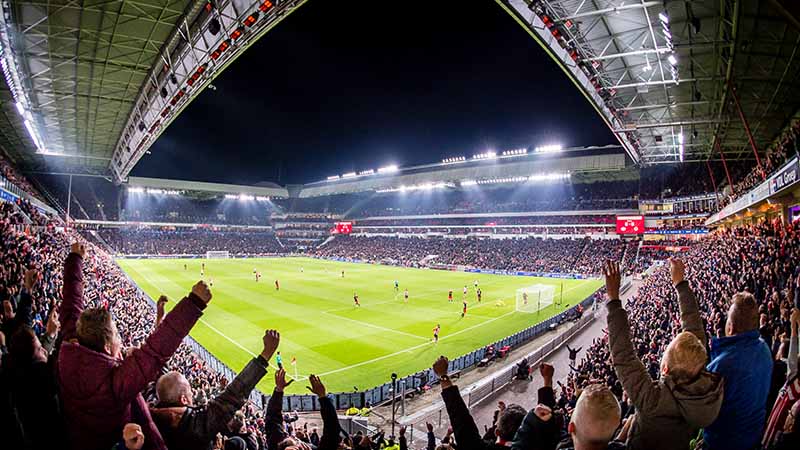
The reality: Glare control is a core design goal, not an afterthought. Through careful aiming, mounting height, and optical shielding, specifiers can meet Glare Rating limits (GR = ~ 50 or lower) and minimize shadows. High illuminance doesn’t need to mean discomfort. 
Glare and shadows are inevitable at high illuminance

Myth #4: “If it looks good to the eye, it’s fine for broadcast.”


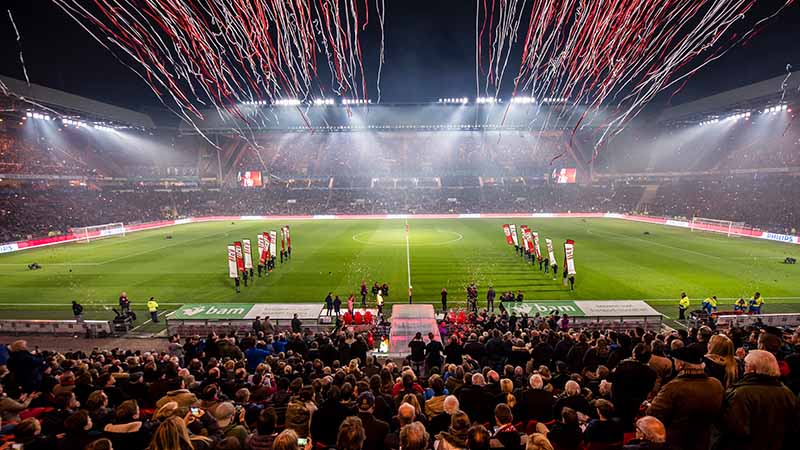
The reality: Broadcast cameras see the world differently and don’t have the scope to adapt like the human eye. Flicker that humans can’t detect can ruin slow-motion replays, and color rendering must be high (CRI 80+, ideally CRI 90) for true-to-life visuals. You should use flicker-free drivers and high-CRI lighting to avoid flicker and colour distortion on camera. 
If it looks good to the eye, it’s fine for broadcast

Myth #5: “Stadium lighting doesn’t need smart controls or future-proofing.”


The reality: Since today’s stadiums are multi-use venues, connected lighting systems are crucial. Centralized control platforms like Signify Interact allow for instant scene changes and smart energy use. Planning for future tech (8K, new standards) and designing in redundancies ensures that your lighting system will remain adaptable. 


Stadium lighting is a sophisticated engineering and creative domain, and clinging to out-of-date assumptions can jeopardize project outcomes. 

Stadium lighting doesn’t need smart controls or future-proofing

By dispelling myths like “more is better” or “specs end at lux levels,” we see that great stadium lighting is about balance and delivering optimal performance on every front: illuminance, uniformity, comfort, efficiency, and control.

Signify’s experience in hundreds of venues worldwide confirms this: the best results come when specifiers combine technical rigor with strategic planning, often working hand-in-hand with global lighting experts to pair cutting-edge LED technology with smart design.


Read more here about turning stadiums into future-ready, multi-use venues

About the author:

Mike Simpson

Mike Simpson


Global Design Lead and Global Application Lead for Lighting Design, Signify

For further information, please contact:

Krithika Bollamma B C
E-mail: Krithika.bollamma.b.c@signify.com

About Signify


Signify (Euronext: LIGHT) is the world leader in lighting for professionals and consumers. We proudly bring to market the world’s best lighting brands, from Signify, Philips, Philips Hue, Signify Interact, Signify Dynalite, Color Kinetics and many more. Our advanced products, connected systems and services unlock the extraordinary potential of light for brighter lives and a better world. In 2025, we had sales of EUR 5.8 billion, approximately 27,000 employees, and a presence in over 70 markets. We are in the Dow Jones Best-in-Class World Index , earned a CDP ‘A’ score for climate performance and transparency and hold the EcoVadis Platinum rating. 


News and updates from Signify can be found in the Newsroom, on LinkedIn and Instagram. Information for investors is located on the Investor Relations page.

More blogs

  • Five stadium lighting design myths busted

    August 20, 2026

    Five stadium lighting design myths busted

  • When innovation scales: Launching Philips Skylight

    June 09, 2026

    When innovation scales: Launching Philips Skylight

  • Making the beautiful game unforgettable

    June 16, 2026

    Making the beautiful game unforgettable