Could light play a role in supporting vitamin D production?

People spend over 90% of their time indoors, limiting sunlight exposure needed for vitamin D. Could indoor spaces better support our bodies’ needs?


A bright room. A sunny window. A day spent indoors.


We might feel surrounded by light. But for vitamin D production, brightness is not the whole story. Our bodies need a specific invisible part of sunlight, ultraviolet B radiation, or UVB, to initiate vitamin D production in the skin. And UVB does not pass through glass.
 

Did you know the global population spends more than 90% of their time indoors? Insufficient sunlight exposure has become a global concern as vitamin D is important for supporting the health of our bones, teeth, muscles, immune system, and many more processes in the body. Research involving 7.9 million participants from 81 countries found that 77% of participants had insufficient vitamin D levels.

These findings invite a compelling opportunity, 
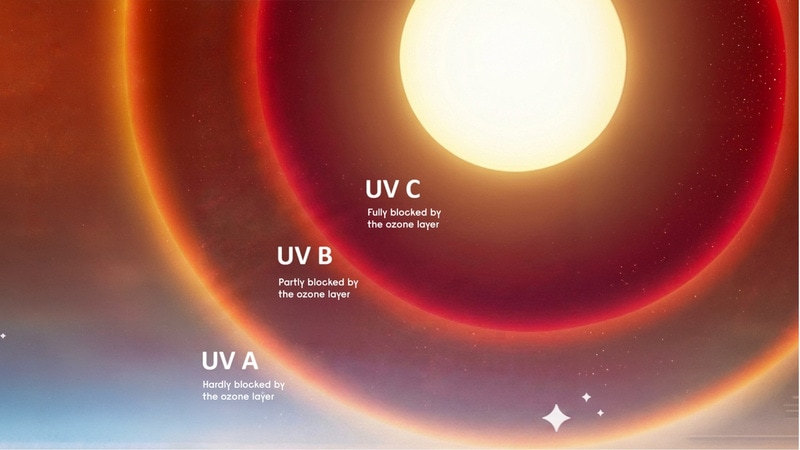
How the ozone layer filters UVA, UVB and UVC radiation

How to supplement artificial UVB?
 

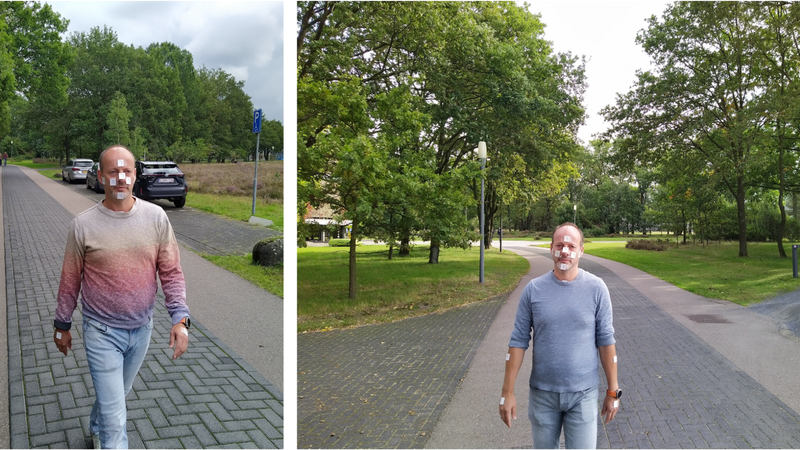
Finding the right balance between too little and too much UVB is essential. Signify scientist Remy Broersma combined solar modelling and real-world research to find the sweet spot. Research participants wore patches that measured ultraviolet exposure during walks throughout the year. 
 

“Over a period of 2 years I have been walking outside collecting actual UVB exposure data, wearing multiple sensors on my face and arms. By now, I am known as the guy covered with sensors.” says Remy.
 

The research identified an ultra-low daily dose designed to support vitamin D production while remaining within safety limits. This dose was tested in a winter study, where office workers using UVB-enhanced lighting saw an improvement in their vitamin D levels compared with those using standard lighting. The findings point to an intriguing possibility, that indoor lighting could play a role in complementing natural sunlight when access to it is limited.

Remy Broersma measuring ultraviolet exposure

How is this being explored?
 

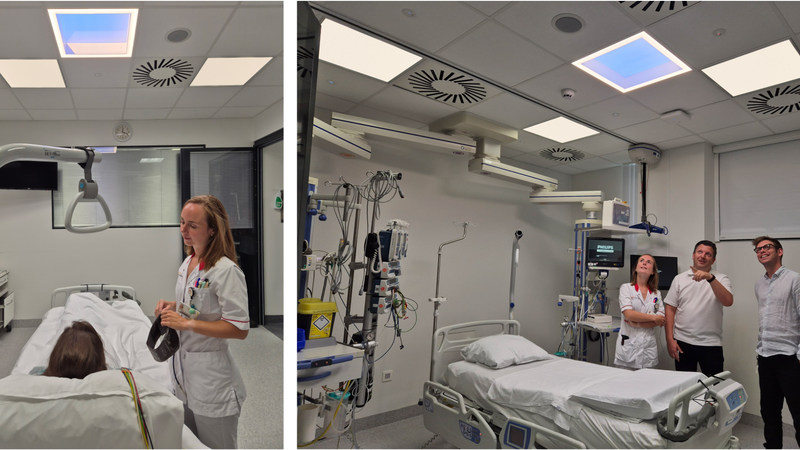
At AZ Groeninge hospital in Belgium, this idea is being explored in an intensive care room without natural daylight. The hospital is testing a lighting environment that combines simulated daylight and a view of the sky with controlled UVB*. Over the coming months, feedback will help the team understand how this approach may support well-being in a setting where patients and staff have limited access to daylight.

As the first hospital in Belgium to embrace these innovations, we are creating an environment that truly supports recovery and well-being.” 


innovation manager at AZ Groeninge

Intensive care room at AZ Groeninge
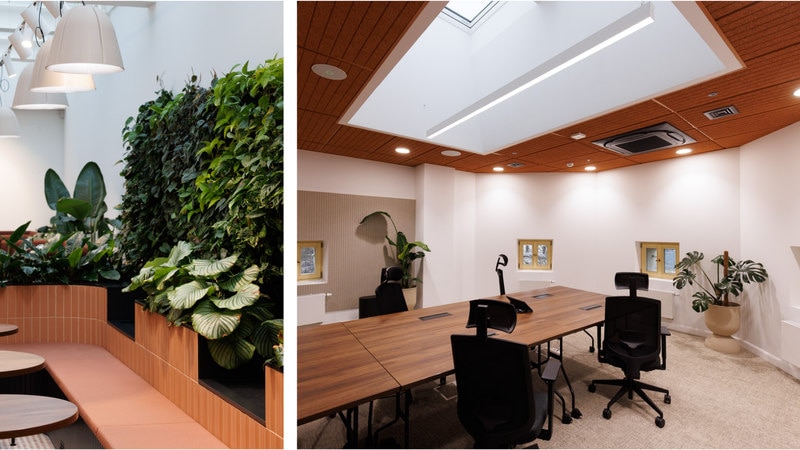
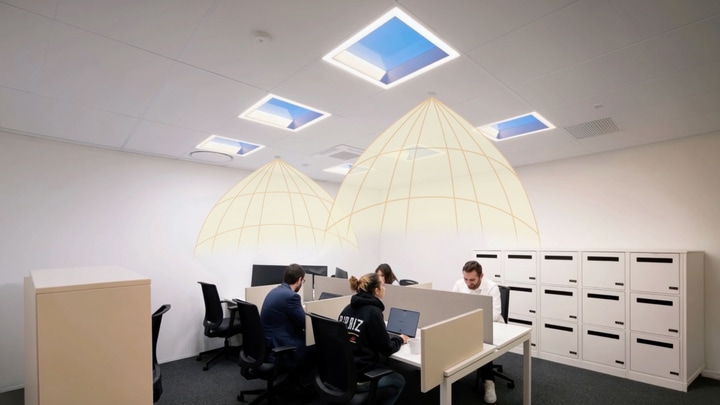
A similar idea is being applied to everyday workday settings. At the historic headquarters of Rekeep Polska in Poland, low-dose UVB lighting has been integrated into work areas with limited access to natural daylight.
 

Lighting not only supports concentration but also creates a welcoming atmosphere that encourages collaboration and employee well-being. Employees quickly appreciated the quality of the working environment, especially in areas with limited access to daylight."


Anna Frątczak,
Office Manager at Rekeep Polska

datacentre-lighting

Rekeep Polska headquarters in Poland  
We are only beginning to unlock the full potential of light. Beyond helping us see, light shapes how we experience our surroundings and may offer new ways to support well-being indoors. The ambition is not to replace daylight, but to learn from it. To put human needs at the heart of lighting design.
 
*Disclaimer: This product is (i) not a medical device and is not intended to diagnose, treat, cure, or prevent any disease. Signify bears no responsibility or liability whatsoever for any claim or damage that may relate to any marketing or use of this product outside of its intended use, or contrary to the installation, operation and maintenance instructions and (ii) is not a replacement for natural sunlight or dietary sources of vitamin D. Vitamin D production in the skin is influenced by multiple factors, including light exposure, skin type and overall health. The effectiveness of light exposure in supporting vitamin D production varies based on usage conditions and individual differences. Consult a healthcare provider for personalized advice on vitamin D needs.

About the author:

John Smith

Jess Liu


External Communications

About Signify


Signify (Euronext: LIGHT) is the world leader in lighting for professionals and consumers. We proudly bring to market the world’s best lighting brands, from Signify, Philips, Philips Hue, Signify Interact, Signify Dynalite, Color Kinetics and many more. Our advanced products, connected systems and services unlock the extraordinary potential of light for brighter lives and a better world. In 2025, we had sales of EUR 5.8 billion, approximately 27,000 employees, and a presence in over 70 markets. We are in the Dow Jones Best-in-Class World Index , earned a CDP ‘A’ score for climate performance and transparency and hold the EcoVadis Platinum rating. 


News and updates from Signify can be found in the Newsroom, on LinkedIn and Instagram. Information for investors is located on the Investor Relations page.

More blogs

  • Supporting vitamin D with indoor UVB lighting

    November 05, 2026

    Supporting vitamin D with indoor UVB lighting

  • Rethinking infrastructure in highly automated data centers 

    September 21, 2026

    Rethinking infrastructure in highly automated data centers 

  • Five stadium lighting design myths busted

    August 20, 2026

    Five stadium lighting design myths busted