Nature as the latest business risk
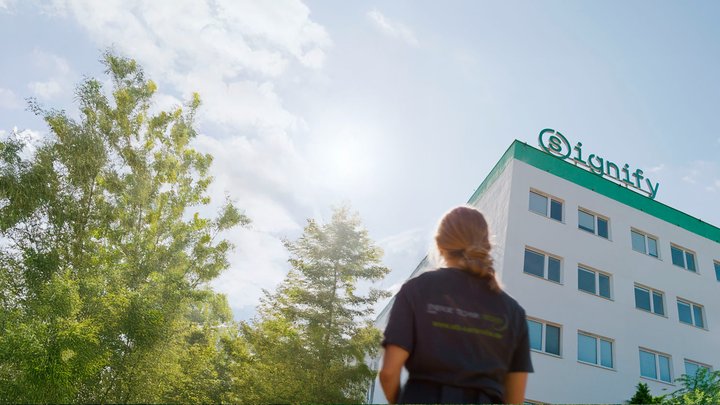
At our manufacturing site in Piła, Poland, recent wildlife monitoring revealed some unexpected night-time activity: at least six bat species use the area to feed on insects around the trees and factory lighting. It is a small but powerful reminder that industrial sites are part of local ecosystems. With a global manufacturing footprint, we have a responsibility to reduce our impact on nature and help create safe conditions for people and wildlife to coexist.
That responsibility is becoming increasingly material for business. More than half of the world’s GDP - approximately $44 trillion of economic value generation1 - is moderately or highly dependent on nature and its services. As ecosystems come under pressure, nature loss is reshaping how companies think about resilience, compliance and long-term value.
Awareness is growing, but meaningful corporate action still needs to accelerate. Frameworks such as the Taskforce on Nature-related Financial Disclosures are helping companies better assess nature-related risks and dependencies, yet the World Benchmarking Alliance has found that many large companies still lack a full understanding of their impacts on nature, even as regulatory and investor expectations continue to rise.
From ambition to measurable action
This urgency is already driving practical and measurable change at Signify’s operational sites: from renewable electricity and solar installations to wastewater optimization, chemical substitution, water-use reduction, and waste-to-landfill targets.
As part of our Brighter Lives, Better World 2030 program, we have committed to making 100% of our manufacturing sites Low Nature Impact sites by 2030. While targets and transparent disclosure are essential, these measures alone are not enough to protect ecosystems, which is why we have translated nature ambitions into measurable operational targets. These targets include minimizing emissions to water, air and soil, water consumption, hazardous waste and waste to landfill across our global manufacturing footprint. By addressing these interconnected challenges, we are helping reduce pollution while advancing broader climate and biodiversity goals.
Progress across the manufacturing footprint
Manufacturing is where environmental commitments become operational reality. Setting these targets involved comprehensively examining our full manufacturing footprint to understand where we could make a real impact that would carry corporate-made targets through to on-the-ground reality integrated into everyday decision-making.
Today, we already have strong momentum. Nearly half of our manufacturing sites have achieved four out of six Low Nature Impact targets, while more than a third have reached three of the six. Less than 0,5% of our waste goes to landfill. We are building on decades of environmental progress and scaling proven solutions across our global manufacturing footprint.
Our Low Nature Impact initiative reflects our belief that environmental challenges must be addressed as they exist, as an interconnected system. By reducing emissions, conserving water and minimizing waste, we are simultaneously strengthening the resilience of our operations while helping protect the ecosystems on which we all depend.
What this looks like in practice:
- Renewable energy: deploying solar panel projects and battery energy storage systems to support the transition to lower-carbon manufacturing.
- Energy efficiency: installing radiant heaters and heat-recovery solutions that reuse energy that would otherwise be lost.
- Cleaner processes: upgrading pretreatment filter systems and chemical substitution to reduce chemical use and wastewater impact.
- Air quality: chimney electro-filter improvements designed to reduce particulate emissions.
- Waste and water: site-level actions to improve wastewater treatment, reduce hazardous waste and minimize landfill.
Site plans also show quantified actions, including solar panel installations expected to deliver 503 kWh and 893 kWh of solar energy and cut CO₂ emissions by 352 and 623 tons per year respectively, as well as boiler room modernization targeting a 2,099-ton annual CO₂ reduction and stack electro-filter installation designed to reduce PM10 emissions from an average of 67 to 17 mg/Nm.
Working with partners to scale impact
No company can address nature loss, pollution and climate resilience in isolation. Meaningful progress depends on collaboration between businesses, expert partners and civil society, combining operational action with scientific insight, accountability and shared learning.
For Signify, partnerships play an important role in strengthening the impact of our Low Nature Impact program by helping connect site-level environmental improvements with wider efforts to protect ecosystems, reduce pollution and support healthier communities. This is especially important when it comes to air quality, where reducing emissions at source can deliver benefits beyond our own operations.