
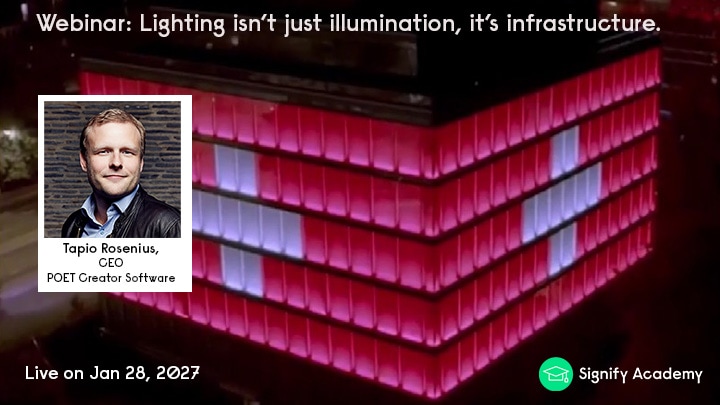
Thursday, Jan 28, 2027
4:00 PM to 5:00 PM CET
For most of the last century, lighting was considered a utility—something you install and forget about. But research shows how light can shape our cognition, mood, decision-making, dwell time, and even social behavior. Our relationship with light is much more complex than we thought, and its impact on our behavior is there, whether intended or not.
Meanwhile, the industry's biggest player is quietly rewriting the rules about lighting. Through its connected lighting platform (Signify Interact) and millions of connected luminaires, Signify provides the software and hardware that make up the backbone for light to do more: sensing, adapting, and responding in real time.
In this session, Tapio Rosenius, a pioneer of "ambient communication" and real-time, data-driven lighting design, makes the case for treating light as a behavioral system rather than a finishing touch, and unpacks what it means for the field when the world's dominant lighting manufacturer has already laid the foundations for its future.
In short, the infrastructure for behavioral lighting already exists, and at scale. The question that remains is whether designers, architects, and operators are actually using it to its full potential or still treating light the way they did in 1985: static, decorative, and blind to the people standing under it.
Learning objectives:

CEO,
POET Creator Software
Tapio Rosenius is a Finnish lighting designer, entrepreneur, and co-founder of POET Creator Software. He has worked with light, media, and digital environments since 1998, exploring how responsive technologies in architecture can shape human experience. He is also the founder of Lighting Design Collective and has led international projects across public space, workplaces, cultural environments, and major sports venues. POET Creator Software is a real-time control platform for responsive environments. POET brings lighting, media, sound, sensors, and data into a shared control environment, enabling buildings and venues to react dynamically to people, context, and operational needs. It's used in projects ranging from workplaces and public spaces to large-scale arenas and media architecture.
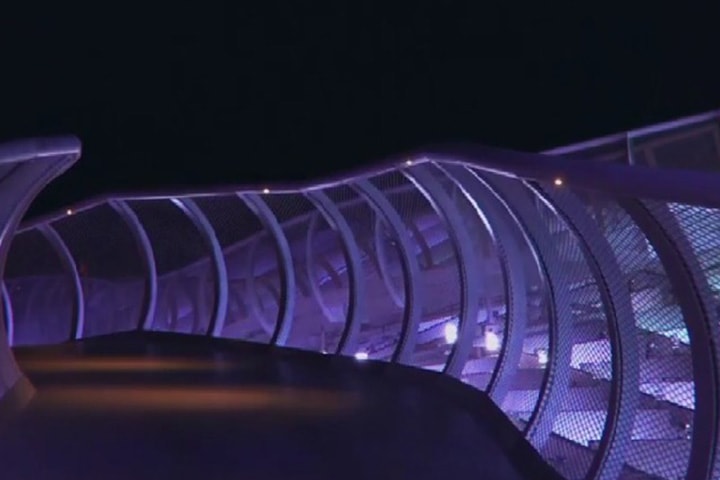
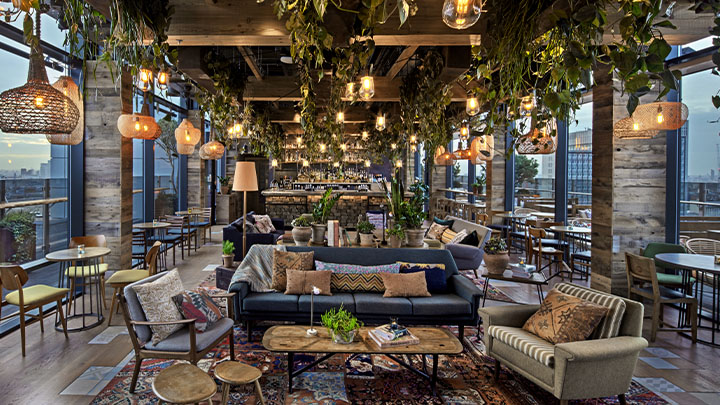
People First, lighting Second
Watch this webinar(July 2026) to understand and apply a human-centred approach to lighting design that prioritises human wellbeing over architecture-driven solutions.
Contact us
Please let us know if you want to receive more information about this webinar topic.
Light, Art and Biophilia
Watch this webinar held on Feb 23 and learn about light’s potential as a creative tool, particularly in combination with art and biophilia.