Across laboratories, light is unlocking a new era of chemistry, where reactions are guided with precision, resources are used more efficiently, and innovation moves faster. From nutrient synthesis and pharmaceutical development to lower-carbon industrial processes, photochemistry is showing how light can do far more than illuminate. It signals a broader shift in science: doing more with less while achieving better outcomes.
So what is photochemistry?
Photochemistry is the use of light to start or accelerate chemical reactions. When molecules absorb light energy, they become “excited,” enabling them to transform, break apart, or bond with other molecules in new ways.
By selecting specific wavelengths, from ultraviolet to visible light to near infrared, scientists can trigger reactions with remarkable precision. This level of control is transforming how chemistry is done. Instead of relying solely on heat or pressure, reactions can now be guided by light. Cleaner. More targeted.
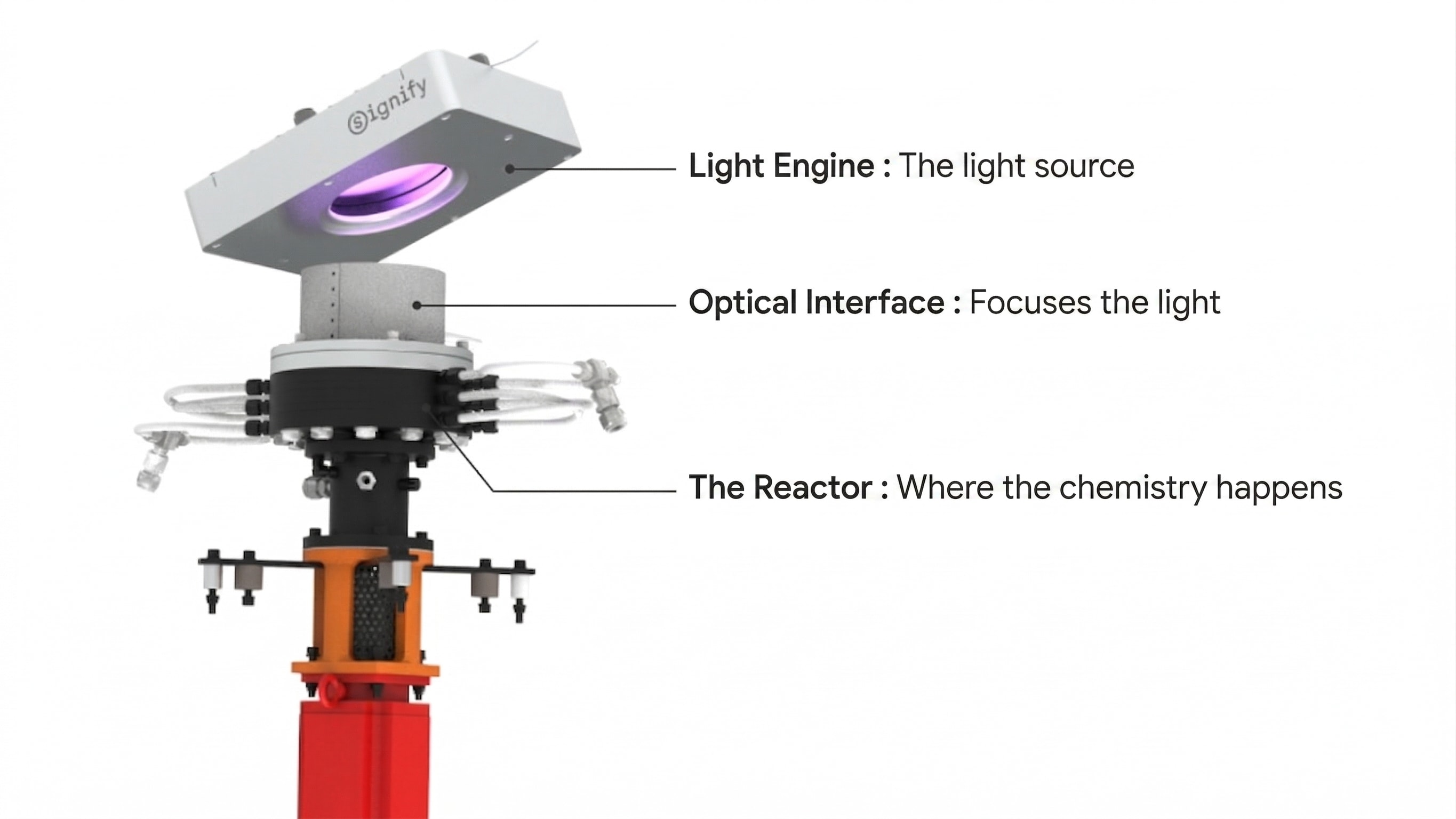
Applications for photochemistry
Photochemistry is evolving from a niche scientific pursuit into a fundamental pillar of modern industrial innovation. Its applications range from the production of everyday essentials and pharmaceutical to the creation of entirely new, carbon-neutral manufacturing pathways.
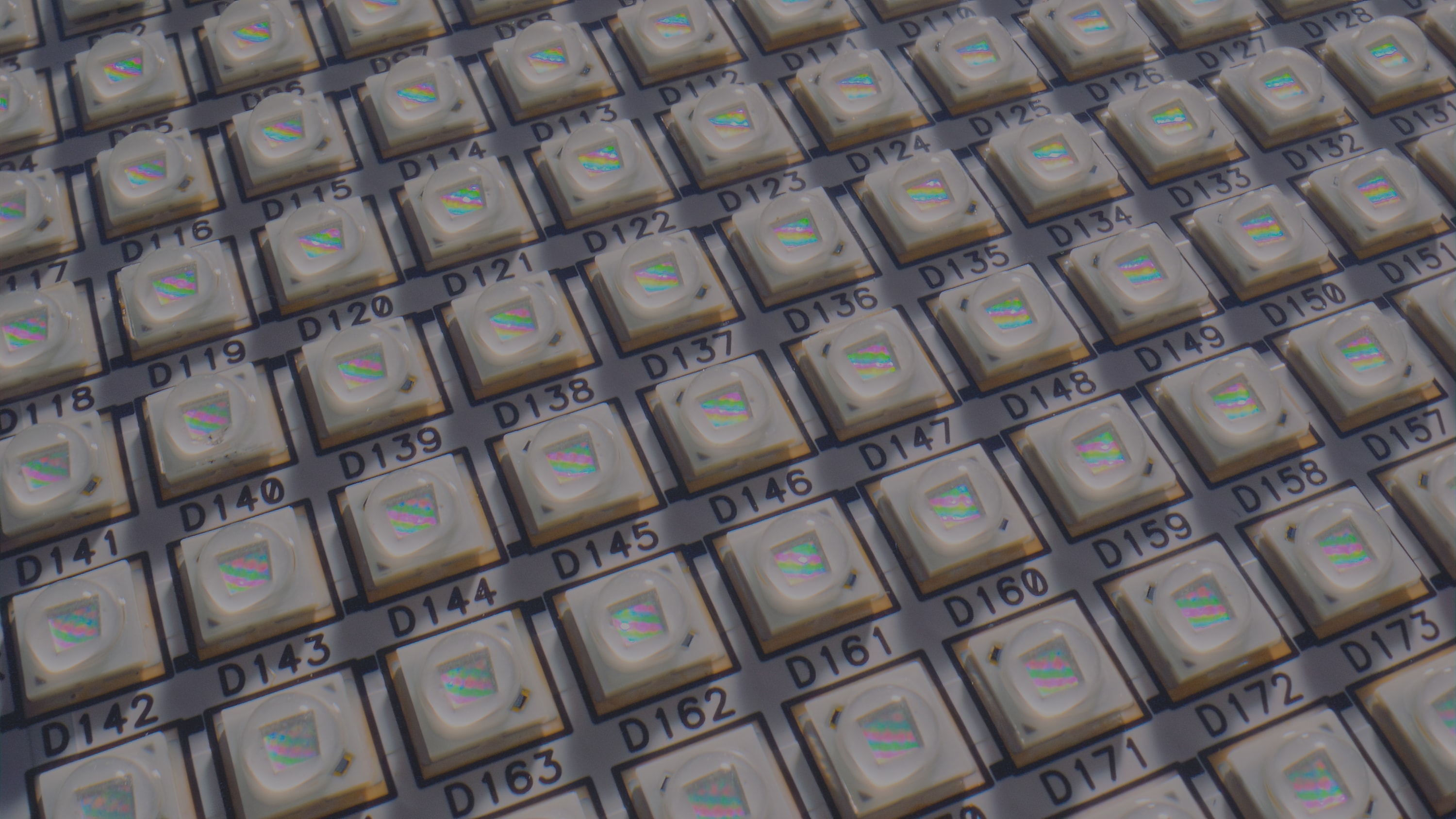
Precision with light
The real breakthrough lies in control. With advanced LED lighting, researchers can fine-tune both the intensity and the wavelength of light and in a fully automated manner optimize their chemical reaction for maximal output.
Different molecules respond to different types of light. By selecting the right “color,” scientists can influence reaction pathways, improve yields, and reduce unwanted by-products.
This precision can also enable more sustainable chemistry. Reactions can often take place under milder conditions, using less energy and generating less waste compared to traditional chemistry.
The path ahead
The role of light is evolving far beyond illumination. We are looking at a future where photochemistry is applied to the world’s most pressing challenges, from large-scale water disinfection and advanced air purification to the production of green hydrogen and the efficient recycling of plastics. This technology will also play a critical role in global health by accelerating the production of complex biomedicines.
At Signify, we are driven by this potential every day. Photochemistry is just one example of how we are unlocking the extraordinary potential of light.
Signify (Euronext: LIGHT) is the world leader in lighting for professionals and consumers. We proudly bring to market the world’s best lighting brands, from Signify, Philips, Philips Hue, Signify Interact, Signify Dynalite, Color Kinetics and many more. Our advanced products, connected systems and services unlock the extraordinary potential of light for brighter lives and a better world. In 2025, we had sales of EUR 5.8 billion, approximately 27,000 employees, and a presence in over 70 markets. We are in the Dow Jones Best-in-Class World Index , earned a CDP ‘A’ score for climate performance and transparency and hold the EcoVadis Platinum rating.
News and updates from Signify can be found in the Newsroom, on LinkedIn and Instagram. Information for investors is located on the Investor Relations page.