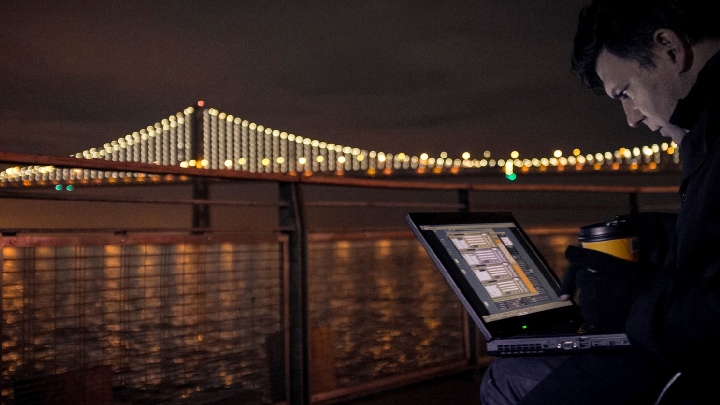



Lighting has a powerful role in helping cities evolve into smart cities. With a prediction of 4+ billion connected people and 25 billion embedded intelligent systems by the year 2020, smart city solutions must be open, scalable and connected. More than any other city service, public lighting bridges the emotional and technical. Lighting is an important part of a city’s infrastructure – and is even more valuable when part of an open, interoperable network connecting assets to analytical technology – from the edge to the heart – to improve citizens' lives.”
The significant benefits from smart, connected operations, 30% energy savings, reduced maintenance costs and increased operating efficiency, drive digital transformation and free up resources for other mission-critical activities. SAP solutions help cities improve, transform, and prosper to create a better urban world. With SAP solutions, cities can run better, help make it easier for businesses to thrive, and provide a safe environment for citizens. At Philips we partner with companies like SAP to enable digital transformation in cities and local government. Obtaining data from smart lights is just one element of a smart, connected city. Together SAP and Philips connect lighting and communication, gathering data to analyze and predict performance, better manage services, and improve decision-making.
In ‘Partnering to unlock maximum value in your city’ you will see what is driving the smart city phenomenon, how future cities will look like and why the need to have an open solution makes partnerships with companies such as SAP so important.
Bill Bien, SVP, Head of Strategy and Marketing, at Philips Lighting said: “…Together with SAP, we can rapidly transform the world’s cities into smart cities and help them address a wide range of needs caused by urban expansion and population growth, unlocking the benefits of light beyond illumination.”
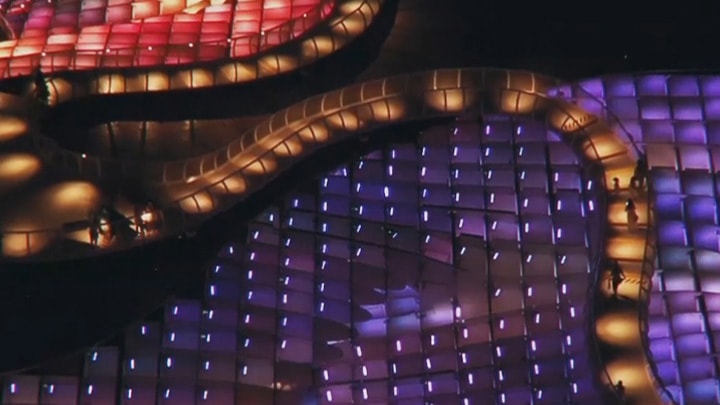
Lighting Isn’t Illumination. It’s Infrastructure.
Join this thought-provoking session (Jan 2027) to explore how lighting is evolving from a static utility into a dynamic, behavior-driven system that influences how people think, feel, interact, and make decisions.

Dark by Design
Attend this webinar(Oct 2026) to discover how smarter outdoor lighting can enhance safety and functionality while reducing energy costs, protecting wildlife, and preserving the beauty of the night sky.
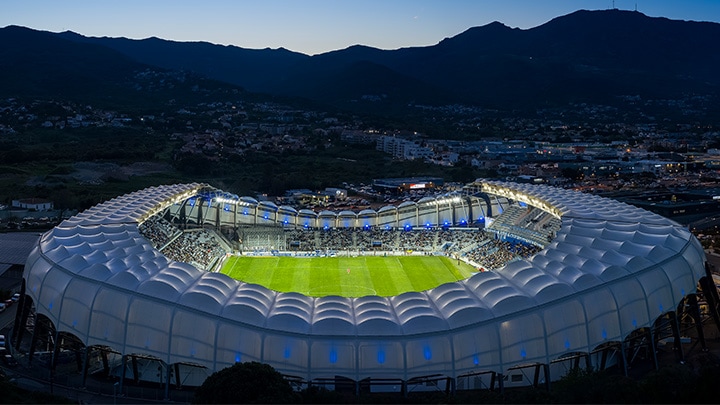
Lighting the modern stadium
Attend this panel discussion (Sep 2026) with sports lighting experts to discover how sports venue lighting is evolving.