United Kingdom - English

The impact of LED lighting for your business

Switching to connected LED lighting can have a major impact, and the time to act is now


Today, the world is facing what might be called a trilemma: the concurrent climate, energy, and economic crises. Economies are struggling with multiple impacts, businesses are dealing with quickly increasing costs and supply chain disruptions, and consumers are coping with inflation and skyrocketing energy bills.


Although the intensity of these crises varies in different parts of the world, the entire world is affected, and countermeasures must be taken urgently. Energy demands continue to increase drastically, and action must be taken now to mitigate the effects. In many countries, the grid is at or nearing capacity. In the EU, about 16% of electricity is generated by gas—a precarious situation, given the uncertainties caused by politics and conflicts in the east.


The bottom line: the world needs to double the speed of action in every area of the global energy transition to reduce consumption of and dependence on fossil fuels. Among other things, this means doubling down on energy-efficiency systems and retrofits, renewable and nature-based energy sources, EVs, and smart systems that can produce more with less.

Energy-efficiency initiatives will play a decisive role in both the short term and the long term. In the short term, energy-efficient retrofits and systems can help governments, businesses, and consumers quickly and effectively reduce energy consumption. In the long term, such initiatives will create the connected infrastructure required for achieving net zero ambitions.

The accelerated switch to connected LED lighting can jumpstart the necessary doubling of efforts and impact and action is needed now.
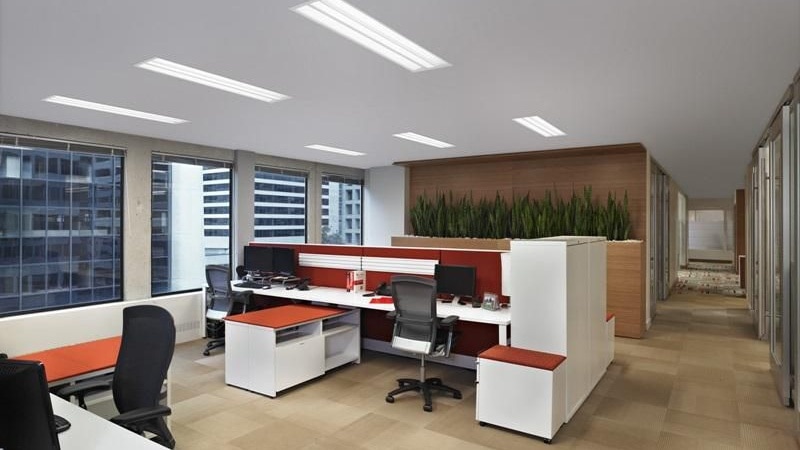
Office environment, reception

Accelerating the switch to LED


Lighting accounts for 8% of all electricity usage worldwide. By moving to energy-efficient LED lighting, lighting-related energy consumption could drop in the years to come., even while the total number of light points continues to rise. It’s a fast, non-disruptive intervention that can act as a frontrunner for deeper and more complex renovations. UKGBC estimates lighting upgrade to LED or optimisation can have a positive impact on any property, ranging from 2% -9% reduction in energy use intensity, the energy-savings potential of switching to LED lighting is enormous.


LED lighting reduces energy consumption significantly over conventional alternatives—well over 50% in most cases. When connected and properly managed, monitored, and controlled, LED lighting systems can push energy reductions to as much as 80%, producing startling results. In addition to enhancing its efficiency, connecting LED lighting to a network and introducing sensors and controls lays the groundwork for digital smart building and smart city frameworks that bring together multiple functions and applications.


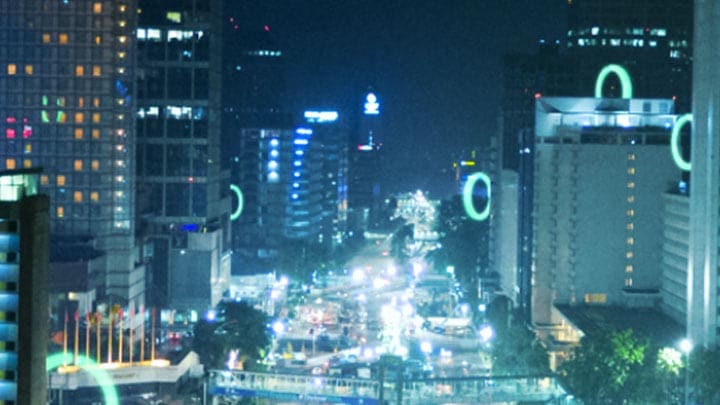
The results can be significant even on the local level. In a mid-size European city of 200,000 inhabitants, for example, switching all conventional lighting to LED could save over 78,000 MWh, over €26 million, and over 18,000 tCO2 per year.

Person standing by a large office window, looking out over city buildings.

Keeping the lights on is crucial


Some have suggested that the most expedient way to save energy is to turn the lights off altogether. This is a good example of a so-called solution that’s worse than the problem it’s intended to solve.


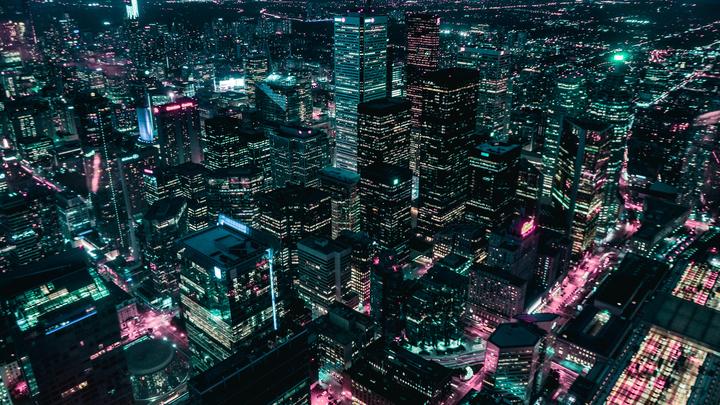
Light is one of life’s essentials—along with food, water, air, and shelter. Light affords safety, comfort, happiness, and all-around well-being. Streets need illumination at night for safety—in fact, studies have demonstrated that the right lighting at night can deter crime by 21% and reduce traffic accidents by 30%.


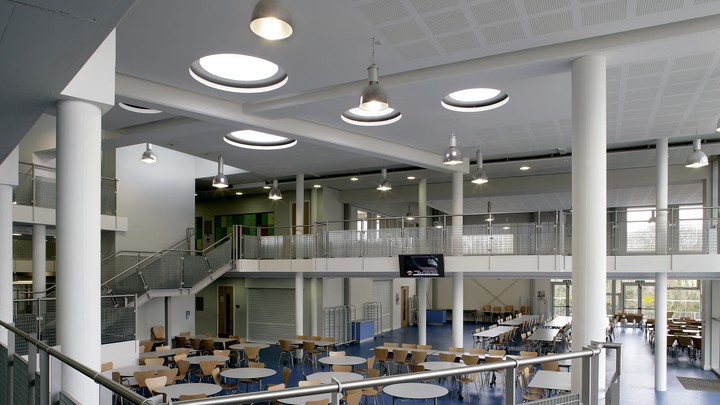
The education sector, be it schools, colleges, or universities, need light so that students can learn. Going beyond just illumination, education facilities can reap the benefits of student wellbeing, staff wellbeing, sustainability and digital transformation by switching to connected lighting – lighting that is intelligent and shares insights on how to better use a space.


Public and commercial buildings need light so that people can perform their jobs properly and productively. A building that has connected lighting installed can optimise energy use, manage lighting better, set lighting schedules to deliver the right light at the right time, manage environmental monitoring amongst many other possibilities.


For a manufacturing facility, connected LED lighting and systems like Signify Interact could go beyond illumination and energy management to consistent illumination ensuring operational efficiency, enhancing productivity and delivering the light needed in vital spaces ensuring employee safety. The use cases are many.

No light is no answer. Highly energy-efficient connected LED lighting, properly managed and delivered at the right time and in the right way, is.


Connected LED lighting & controls can maximise the energy-saving potential of digital light with dimming schedules and lighting behaviours that deliver light when and where it’s needed, and not when it isn’t. That’s important, but it’s just a beginning. Connected lighting can now unlock the visual, biological, and emotional benefits of light – driven by optics and light recipes designed to help people see, feel, and function better.

You can't afford not to act now


Making a wholesale change from conventional lighting to LED and connected LED may seem daunting. But consider this: by not acting immediately, means you’re effectively paying twice—once now, when you pay elevated energy prices for energy-inefficient conventional lighting, and once later, when you have to replace your lighting.


Accelerating the switch to energy-efficient connected LED lighting is a simple but significant step that can help you reduce energy consumption and meet climate action targets wherever you are in the world.


Energy efficiency is the winning ticket in the climate lottery. All you have to do is cash it in—but the time to take such action is now. You can’t afford not to—for the economy, for the climate, and for the people who depend on you.

About the author:

Bart Maeyen

Clark Morrow


Channel & Segment Manager, Professional lighting, Signify UK&I

About Signify


Signify (Euronext: LIGHT) is the world leader in lighting for professionals and consumers and lighting for the Internet of Things. Our Philips products, Interact connected lighting systems and data-enabled services, deliver business value and transform life in homes, buildings and public spaces. In 2022, we had sales of EUR 7.5 billion, approximately 35,000 employees and a presence in over 70 countries. We unlock the extraordinary potential of light for brighter lives and a better world. We achieved carbon neutrality in our operations in 2020, have been in the Dow Jones Sustainability World Index since our IPO for six consecutive years and were named Industry Leader in 2017, 2018 and 2019. News from Signify is located at the Newsroom, Twitter, LinkedIn and Instagram. Information for investors can be found on the Investor Relations page.

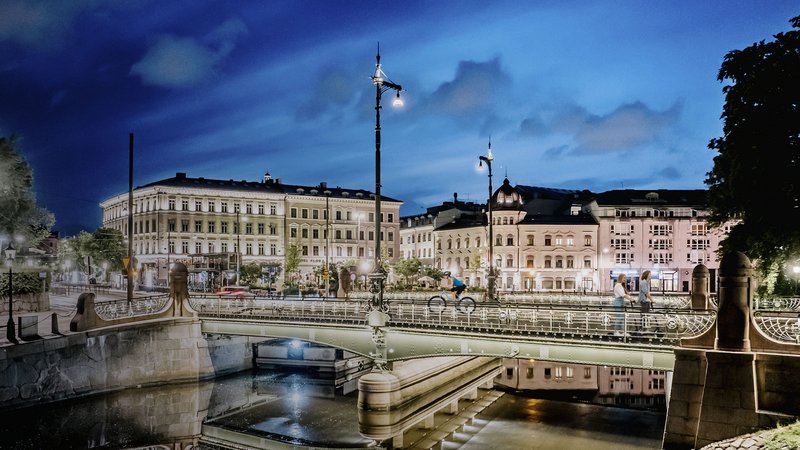
Meydan Bridge

More blogs

  • Smart LED Lighting for Schools

    September 01, 2026

    Smart LED Lighting for Schools

  • The Case for Connected LED Lighting Now

    August 14, 2026

    The Case for Connected LED Lighting Now

  • Sustainable Lighting Solutions for Net Zero Buildings

    August 12, 2026

    Sustainable Lighting Solutions for Net Zero Buildings