Connected lighting brings intelligence to campus
Connected LED lighting systems do much more than switch lights on and off. Connected platforms, such as Signify Interact, allow estates and facilities teams to monitor energy consumption, automate lighting schedules, identify maintenance requirements, and optimise performance across entire campuses from a central dashboard.
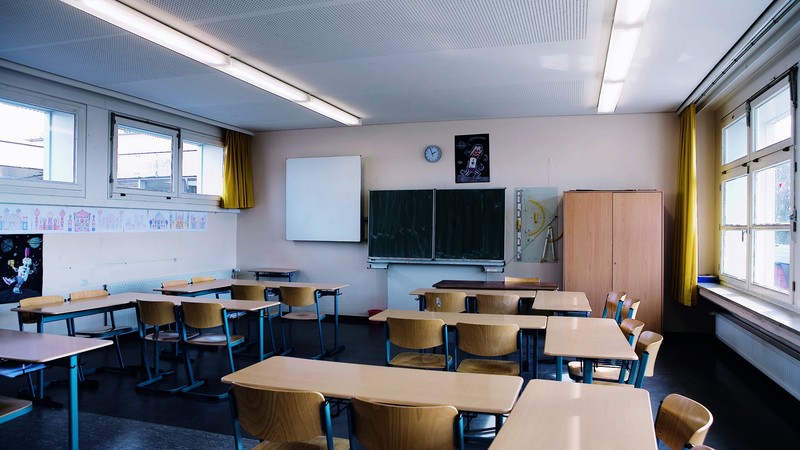
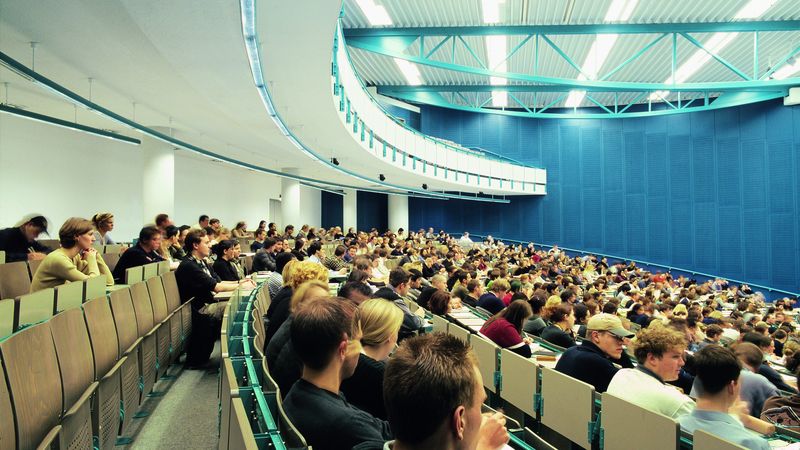
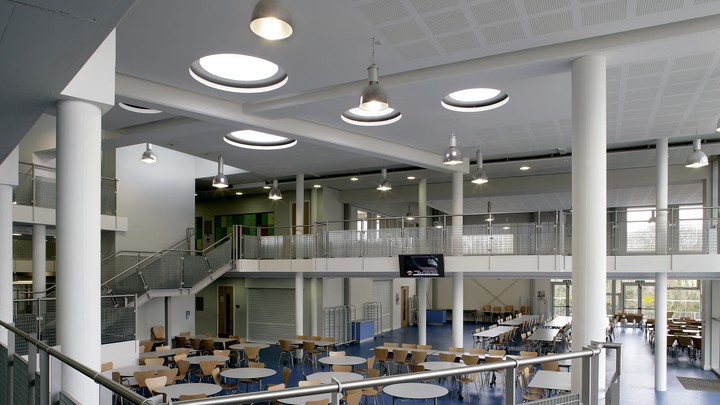
Integrated sensors can detect occupancy and daylight levels, automatically adjusting lighting to deliver the right level of illumination exactly where it’s needed. This reduces wasted energy while ensuring classrooms, libraries, lecture theatres, laboratories, and communal spaces remain comfortable and well-lit.
The data generated by connected lighting systems also enables facilities managers to make more informed decisions about maintenance planning, refurbishment priorities, and long-term building performance.
This approach is already proving to be successful at institutions around the world. TU/e's Neuron Building in the Netherlands uses a smart lighting system that automatically adapts to how the space is used, saving energy while keeping the environment comfortable for students and researchers. Hamdan Bin Mohammed Smart University in the UAE has gone even further, becoming the first university in the world to operate entirely without light switches, connected LED lighting adjusts automatically to occupancy and daylight, while integration with the building management system syncs heating and ventilation with class schedules to support comfort and save energy.
These institutions show that connected lighting isn't a future ambition; it's already delivering results. For schools, colleges, and universities modernising their estates, the question isn't whether it's worth the investment, but how soon they can make the switch.