What is Traffic adaptive lighting
In a crux, traffic adaptive lighting is technology that learns the city.
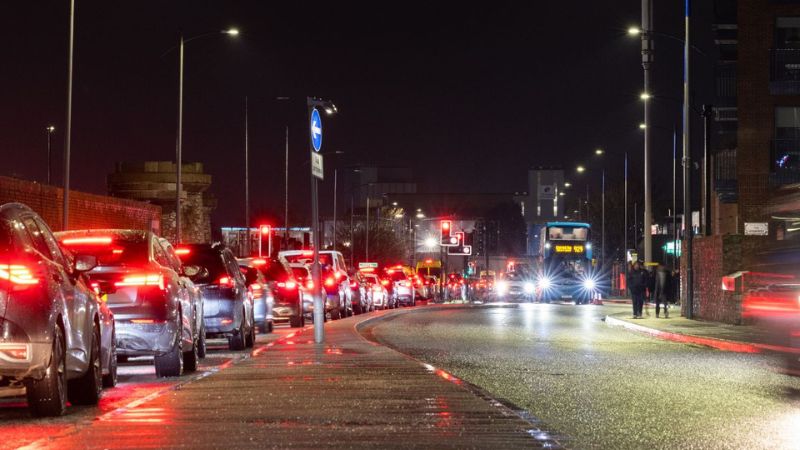
Cities are dynamic. Traffic changes, weather shifts, and conditions evolve throughout the night. Yet most street lighting still relies on fixed schedules, creating a gap between planned lighting and real-world conditions. Adaptable Lighting use real-time and predictive data on traffic flow to inform lighting strategies—helping cities align lighting with actual conditions, optimise operations, and reduce energy use.
Traffic Adaptive Lighting (TAL) is an intelligent street lighting solution designed to reduce energy consumption and carbon emissions by dynamically adjusting lighting levels in response to real time traffic conditions. Unlike traditional fixed‑output street lighting, TAL uses live vehicle count data and environmental inputs to tailor illumination to actual road usage throughout the night.
Traffic Adaptive lighting is the adjustment of lighting based on the current conditions of the highway/road.
The following parameters can change through the night and can influence the lighting level required to maintain safety:
- Traffic volume.
- Pedestrian and bicycle presence.
- Parked vehicles.
- Ambient conditions.
- Pedestrian safety and security.
- Road conditions.
- Weather conditions.
Allowing the lighting output to be changed based on real time conditions. The solution was developed to not only reduce the energy and carbon consumption associated with streetlighting, but to also provides better visibility for road users with lighting which can be adapted on event days (near football stadium), and the waterfront area, while also providing a more resilient infrastructure with quicker repair cycles.
Liverpool shining
Like many cities, Liverpool faces the challenge achieving Net Zero by 2030 with a focus on reducing energy demand and enabling a cleaner infrastructure while supporting a thriving fair and sustainable city. Highways assets have a role to play in reducing operational carbon and in a move towards smart, data-driven infrastructure, Liverpool City Council, in collaboration with McCann, Signify and Upciti, has implemented Traffic Adaptive Lighting system, positioning Liverpool as a leader in smart city innovation.
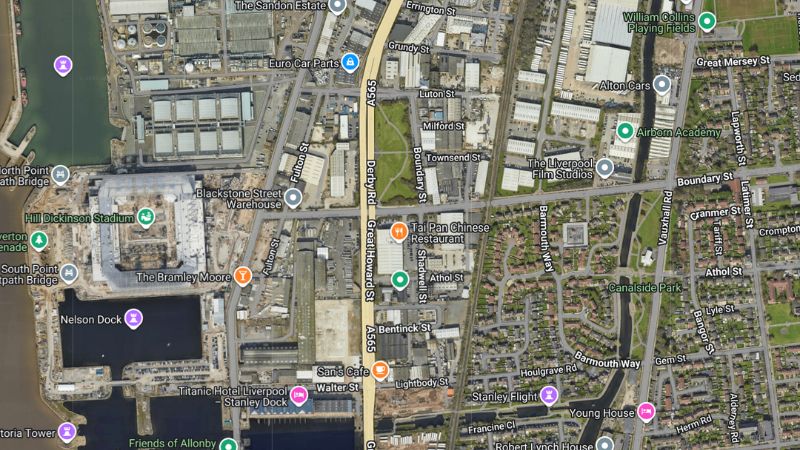
The installation covers two key routes on the A565 linking the city centre to the new Hill Dickinson Stadium, home to Premier League club Everton FC and other major events.
This pilot project is funded by ADEPT Live Labs 2 Decarbonising Local Roads, a three-year, UK-wide £30 million programme funded by the Department for Transport that aims to decarbonise the local highway network.
Benefits to the city: The lighting can bring upto 30% in energy savings over the next 10 years. The city also needed to increase safety for pedestrians on match days as routes leading to Everton Stadium experience significant surges in traffic during events, requiring brighter, adaptive lighting for safety and crowd management. In addition, in the past, the council has relied on public reports to identify lighting failures, leading to delays in repairs and potential safety risks. As budgets tighten and energy costs rise, the city is pursuing innovative, efficient ways to invest in the future.