For decades, the value of architecture has been measured through familiar metrics: construction costs, energy performance, occupancy rates and return on investment. Yet one of the most influential elements that brings any impact alive often remains overlooked in those calculations: lighting.
Architectural lighting has traditionally been viewed as a finishing touch, enhancing a building once the design is complete. Increasingly, however, it is becoming clear that illumination is far more than decoration. It shapes how people experience places, influences behaviour, supports local economies and contributes to civic identity. The question is no longer whether lighting matters, but whether we can accurately measure the (overlooked) value it creates.
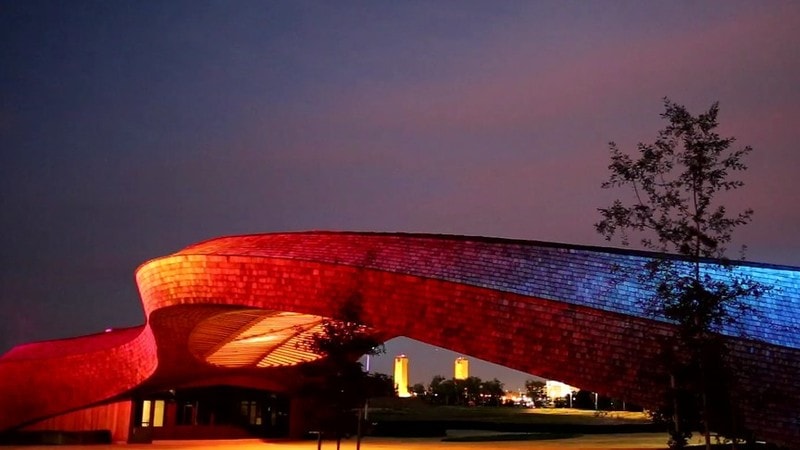
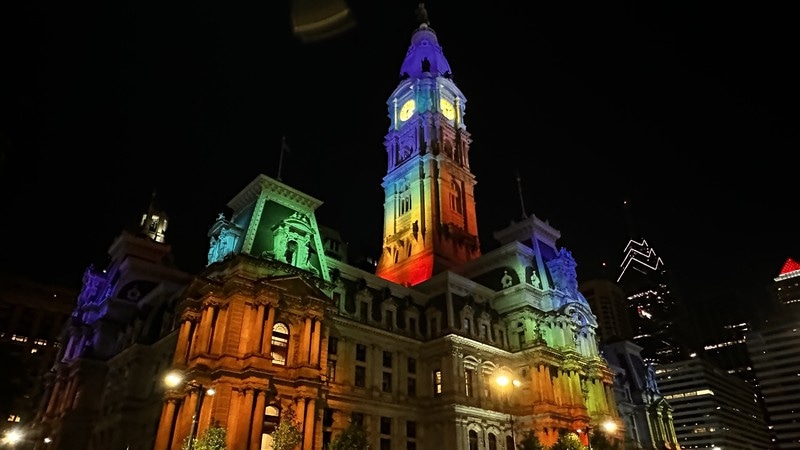
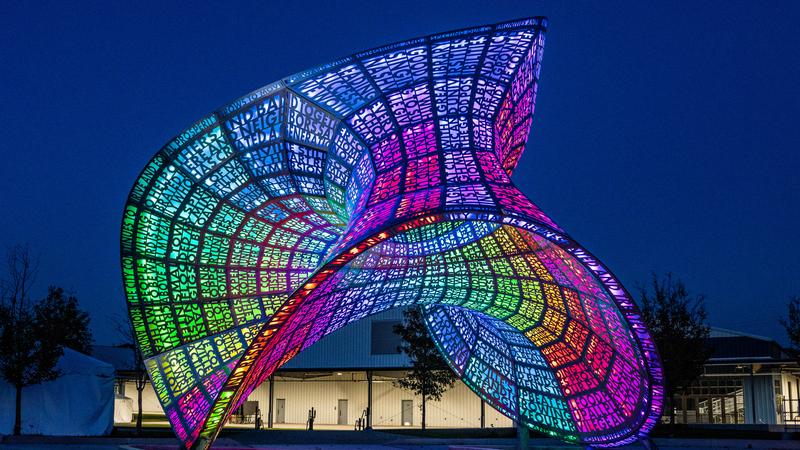
A recent impact analysis conducted by Color Kinetics, of four illuminated public spaces across the United States provides compelling evidence that lighting delivers measurable returns beyond aesthetics. The report ‘Lighting Public Spaces – Impact and Analysis’ Examining projects ranging from civic landmarks to public art installations, the study found that architectural lighting generated economic, social and cultural benefits that extended well beyond the initial investment.