
Watch this webinar and learn about Spatial light distribution.
Click the video player to watch the webinar and discover how considerations of spatial lighting and diffuseness can inform and improve recommendations for indoor lighting design.
Watch this webinar and learn about Spatial light distribution.
Click the video player to watch the webinar and discover how considerations of spatial lighting and diffuseness can inform and improve recommendations for indoor lighting design.
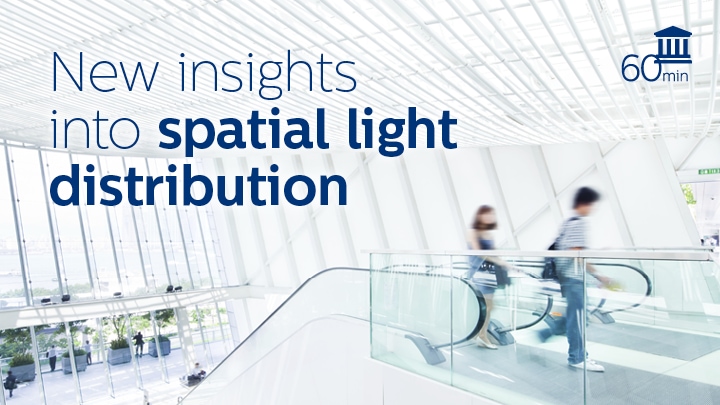


For human perception in indoor environments, daylight is the gold standard for illumination. Windows open up the “box” of the space we are in – and the large, distant light source, with its relatively low brightness, creates a pleasantly diffuse kind of illuminance. By contrast, artificial lighting often has a different kind of directionality, and this affects how people feel.
A new understanding of the optical characteristics of natural light (and its effects on human health, well-being and productivity) is informing a new generation of indoor lighting designs. These designs take into account, for example, how horizontal and vertical light sources can give a room a very different luminous texture, with greatly altered shadows and highlights.
In New insights into spatial light distribution you will see how dynamically modifying the three-dimensional distribution of light in a space can improve the quality of most common lighting solutions. We will discuss three different approaches to this question, using daylight as the model from which to gain the relevant data.
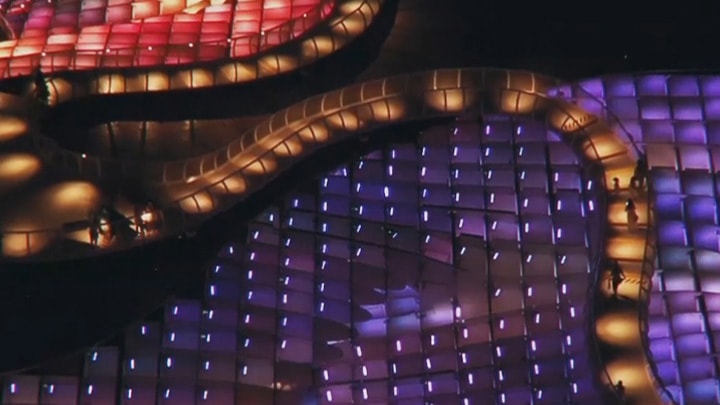
Lighting Isn’t Illumination. It’s Infrastructure.
Join this thought-provoking session (Jan 2027) to explore how lighting is evolving from a static utility into a dynamic, behavior-driven system that influences how people think, feel, interact, and make decisions.
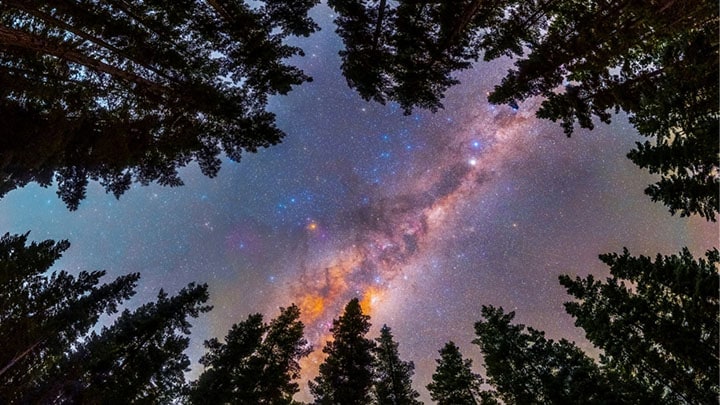
Dark by Design
Attend this webinar(Oct 2026) to discover how smarter outdoor lighting can enhance safety and functionality while reducing energy costs, protecting wildlife, and preserving the beauty of the night sky.
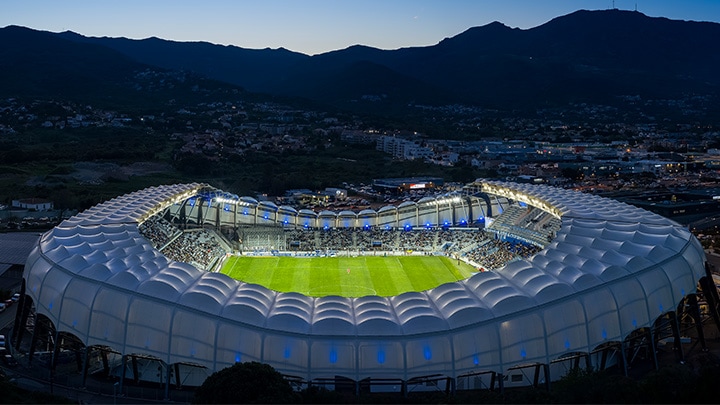
Lighting the modern stadium
Watch this panel discussion (Sep 2026) with sports lighting experts to discover how sports venue lighting is evolving.