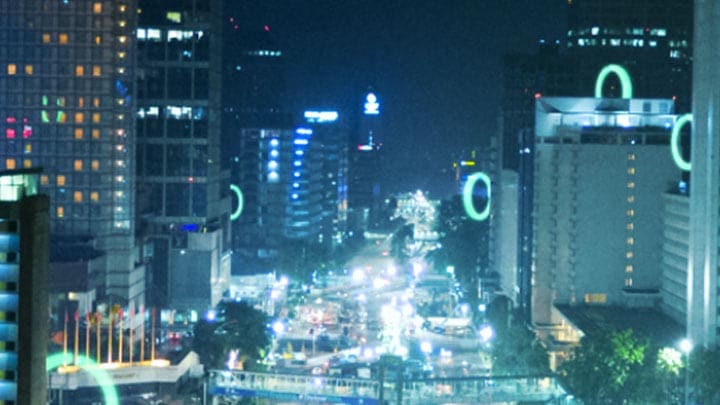
Lighting the night to enhance our surroundings

- Darren Smith, Specification Lead, Signify UKI


Artificial light at night (ALAN) is one of humanity’s great enablers. It allows us to function, move, and connect after sunset, supporting public safety, productivity, and social interaction. From the first oil lamps of 17th-century Paris to today’s LED-illuminated cities, light at night has been synonymous with progress and prosperity.


Yet the way we illuminate our nights is evolving. The growing awareness of energy use, carbon emissions, and ecological impacts has prompted a collective shift toward lighting that is both human-centric and environmentally responsible, with efficiency and effective use of energy in mind. Optimal light at night is not about switching lights off, but about using the right light, at the right place, at the right time, controlled by the right system, ensuring illumination supports people while minimising its footprint on nature and optimising the budget of municipalities.

Why introduce artificial lighting at night

ALAN offers great opportunities for any city, park or street. Adding lighting at night, can make communities safer, more economical, and improve well-being. A good lighting design can improve quality of life, enabling evening recreation, the support of tourism, and reinforcing the identity of public spaces. Upgrading outdated systems unlocks major energy savings and switching to connected LED luminaires can cut consumption by 70% while reducing maintenance and operational costs.


Safer environments that preserve the integrity of the night sky: Populated areas are illuminated to keep our communities safe. According to research conducted by the World Council on City Data, in association with Signify, upgrading to connected street lighting can reduce crime rates by 21%, as well as reduce nighttime traffic accidents by 30%. With the right lighting designs and technologies, we can deliver the same safety benefits while preserving the night sky, limiting reflected light, and minimising how much light is emitted. For instance, the inclusion of motion sensors in street lanterns to only illuminate spaces when needed, and smart optics that direct light only to where it is needed, both avoid any wasted emission of light.


Efficient lighting, only when we need it: Connected lighting systems can program lighting to automatically dim or switch off at certain hours of the night, when there is little or no human activity. This can deliver reductions in overall energy use for municipalities, where public street and area lighting can account for as much as 40% of a city's electricity consumption. Signify Interact, for example, allows centralised scheduling of all street and area lights in a city, making lighting behaviours easy to manage and modify based on seasons, animal activity, and other considerations. Connected lighting technologies like Interact ensure that only the light that is required is used, lowering energy costs and supporting emissions reduction targets.


Protecting natural ecosystems: Too much light at night can disturb our natural sleep cycle and can impact the behaviour of wildlife. Fortunately, street lights can be adjusted to reduce sky spill, which DarkSky defines as the 'unwanted spillage of light onto adjacent areas,' and programmed to automatically switch off or dim when not in use.

interact city getty night lightning

There are challenges too

But one can’t ignore the challenges. Undoubtedly, artificial light at night offers valuable benefits, however when not used thoughtfully, it can lead to unintended challenges. Poorly installed or misdirected luminaires contribute to skyglow, reducing the visibility of stars and altering the natural rhythm of night and day. Glare and light trespass disturb sleep and compromise comfort, while the wildlife (from bats and migrating birds to insects) depend on darkness to feed and navigate.


From an environmental and economic perspective, wasted light means wasted energy. Each unnecessary kilowatt-hour adds to carbon emissions and municipal costs. With biodiversity loss and energy efficiency high on the global agenda, avoiding unnecessary light has become both an ecological and economic imperative.


Many areas of the EU lack regulations addressing the environmental impact of ALAN, and where rules exist, they vary widely between countries, regions, and even cities, creating inefficiencies in tackling the issue at a European level. For example, France regulates the colour, timing, and direction of lighting; some regions in Spain quantify blue light using the spectral G-index; and Italy enforces 18 different regional lighting laws. Cities like London and organisations such as the ILP provide general design guidance referencing CIE environmental lighting zones to manage effects like skyglow and façade lighting, following the principle of “the right light, in the right place, at the right time, controlled by the right system.”

Practical guide to lighting specification

When you specify lighting, you play a decisive role in realising optimal light at night. Your expertise determines whether luminaires are chosen, aimed, and programmed to achieve functional, environmental and economic goals.


You not only design; you educate and advise, helping clients and municipalities understand that responsible lighting is not about turning lights off but about delivering illumination that serves people and protects nature.


Every successful project begins with thoughtful planning. Many lighting installations still provide excessive light levels or illumination out of harmony with their surroundings. Early planning helps define the true need for light and aligns technical, environmental and social priorities.

When you plan a project, consider these essentials:


- Assess the need: Is lighting truly required, and to what extent?

- Understand users: Identify visual tasks, activity patterns, and safety needs.

- Respect the environment: Recognise nearby habitats, dark-sky areas, or EU Natura 2000 areas.

- Check regulations: Review applicable national, regional, and municipal ordinances.

- Set sustainability goals: Define measurable outcomes for energy savings, biodiversity protection, and long-term maintenance.


Projects should aim to provide safe, functional, and inviting nighttime environments while minimising unwanted effects on the night sky, wildlife, and neighbouring communities.


Responsible lighting starts with collaboration. Effective projects depend on shared understanding and clear communication between all stakeholders (lighting designers, installers, contractors, municipalities, ESCO/utilities, operators).


In early stages, discuss both the benefits of good lighting and the potential side effects of poor implementation. This allows you to align expectations, define realistic budgets, and include commissioning and maintenance within the scope from the beginning. Even within limited budgets, well-balanced design using modern optics and controls can deliver excellent results. This approach helps empower clients to appreciate the long-term value of responsible lighting choices

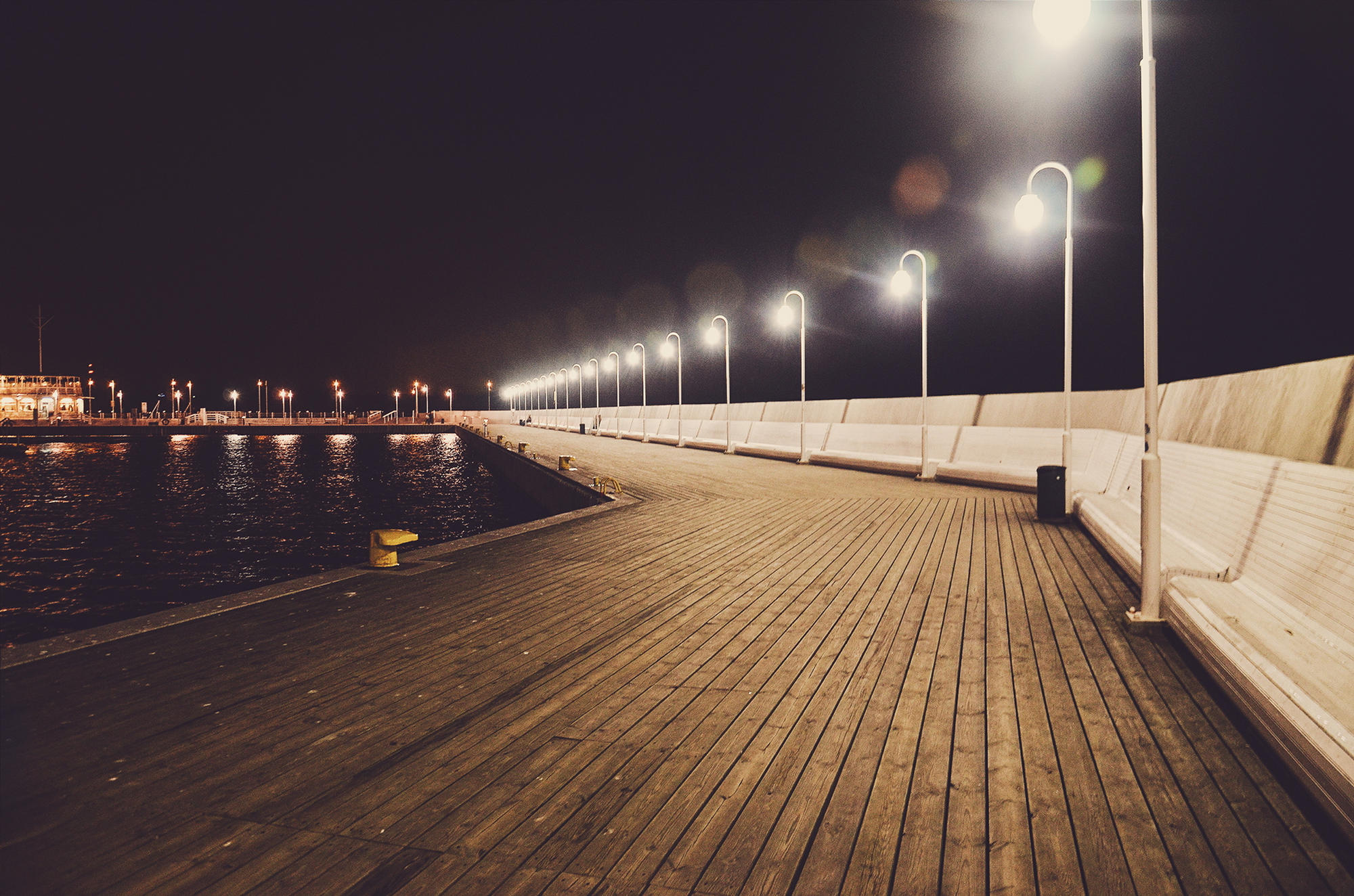
Leading the way to responsible lighting solutions

At Signify, we advocate for the following techniques as a powerful way to illuminate responsibly:


- Conserve: To use light only when needed, set schedules and motion detection to use light only when needed

- Contain: direct light only towards the intended area and prevent unnecessary spillage

- Control: Adapt light output to no more than what’s necessary

- Colour: Choose your light spectrum depending on the surrounding environment and biodiversity


Together, these four techniques enable customers to use light intelligently, efficiently, and with respect for people and the environment and if paired with solutions with circularity built in, there can be unparalleled economic benefits.

In Conclusion

Optimal lighting at night represents progress, not compromise, and Signify is leading the way in harmonising technology, design, and environmental care.


Achieving optimal light at night requires collaboration among policymakers, designers, manufacturers, and operators. Signify is committed to ensure that every lumen serves a purpose, supports life, and minimises ecological impact. Together, we can restore the balance between human needs and the natural night.

About the author:

Clark Morrow

Darren Smith


Specification Lead, Signify UKI

For further information, please contact:

Signify Global Media relations - Professional Lighting
Claire Phillips

Tel: +44 7956 489081

Email: claire.phillips@signify.com

For commercial enquiries:

About Signify


Signify (Euronext: LIGHT) is the world leader in lighting for professionals and consumers and lighting for the Internet of Things. Our Philips products, Interact connected lighting systems and data-enabled services, deliver business value and transform life in homes, buildings and public spaces. In 2022, we had sales of EUR 7.5 billion, approximately 35,000 employees and a presence in over 70 countries. We unlock the extraordinary potential of light for brighter lives and a better world. We achieved carbon neutrality in our operations in 2020, have been in the Dow Jones Sustainability World Index since our IPO for six consecutive years and were named Industry Leader in 2017, 2018 and 2019. News from Signify is located at the Newsroom, Twitter, LinkedIn and Instagram. Information for investors can be found on the Investor Relations page.

Meydan Bridge