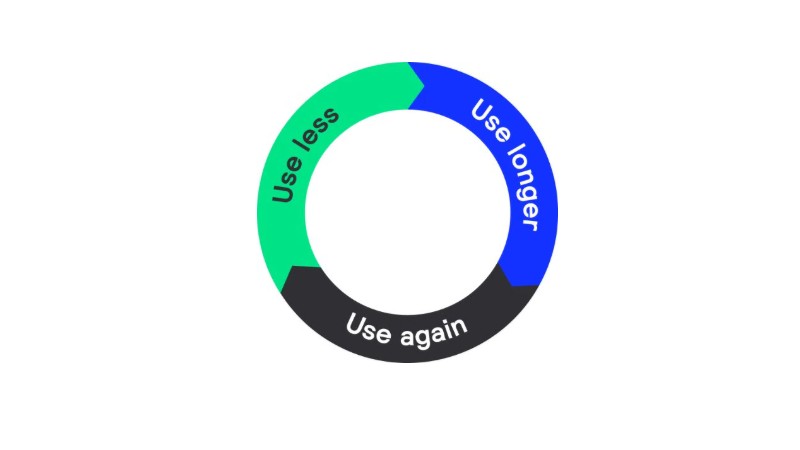
As sustainability moves from ambition to accountability, lighting needs to be assessed for more than how efficiently it uses electricity. For decades, energy efficiency has been at the heart of innovation in lighting. The transition from conventional light sources to LED has delivered significant reductions in energy consumption and associated emissions. But as designers look towards creating greater impact through sustainable innovation, another question is becoming increasingly important: what happens to the resources within a lighting product throughout its life?
This is where circularity steps in.
Beyond energy savings, the lighting sector has built a strong track record in areas such as recycling, managing hazardous substances, improving component efficiency, and enabling the repair and replacement of failing parts. The next frontier is to scale up and accelerate material efficiency. This is where a structured, consistent and harmonised circular lighting approach becomes essential.
Transitioning to circular lighting not only offers significant cost savings but can also unlock new economic opportunities. It lays the foundation for a more sustainable and resilient lighting industry and a thriving ecosystem for related businesses. For Signify, sustainability is a cornerstone of its corporate strategy, reflected in its Brighter Lives, Better World 2030 programme. Circularity is central to this vision, reflecting a commitment to responsible, future-focused practices.
To successfully implement a circular lighting strategy, four essential dimensions must work in harmony:
- Design with the end in mind. Circularity begins at the design stage. Products, systems and services must be conceived with their entire lifecycle in mind, ensuring they are durable, repairable, upgradeable and recyclable.
- Develop innovative business models. Designing circular solutions alone isn’t enough. Business models must encourage market acceptance, communicate and deliver added value, adapt the value chain to new realities, address emerging challenges, attract users and investment, and align with evolving customer expectations.
- Close the loop through reverse logistics. Once demand is established, a reverse logistics system is essential to complete the circular loop. This enables the return, reuse, refurbishment and recycling of products and components.
- Collaborate across the ecosystem. Circularity cannot succeed in isolation. It requires collaboration across the entire ecosystem.
For designers and specifiers, the challenge is not simply to select products that consume less energy. It is to understand a product more holistically – its material footprint, longevity, repairability, upgradeability, use of recycled or other non-virgin materials, and its potential for reuse or recovery at end of life.
This shift is reflected in Signify Circle, a philosophy designed to help professional customers make more informed choices in support of their circular economy ambitions. It sits within the resource-efficiency pillar of Signify’s Brighter Lives, Better World 2030 sustainability programme.