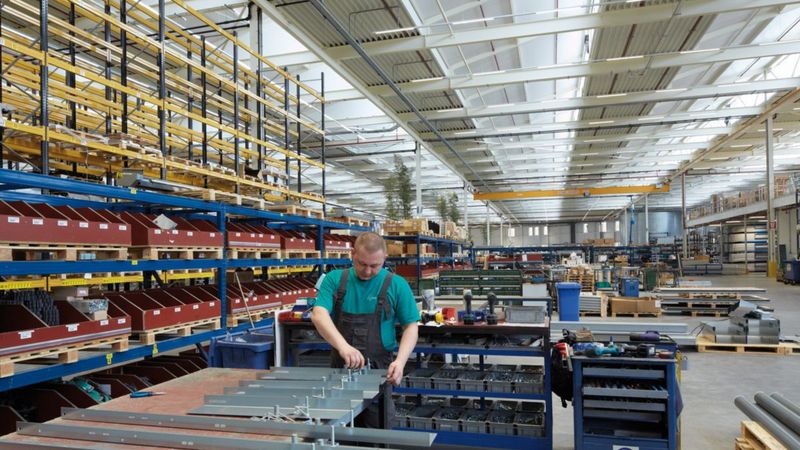
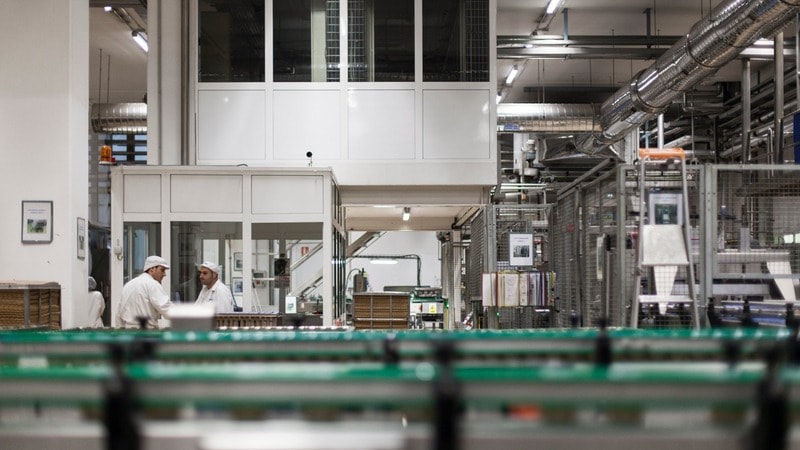
Walk onto almost any production floor and you will find a workforce under pressure. Lines run longer, shifts stretch around the clock, and tasks demanding precision from the first hour to the last. Manufacturers rightly focus on ergonomics, PPE and training to protect their people. But one factor is present in every task, every shift and every corner of the facility, and one that must not be an afterthought: light.
Lighting is usually specified to meet a standard and then forgotten until a fitting fails. That mindset misses an opportunity. The quality of light shapes how well people see hazards, how tired their eyes become, how alert they feel at 3am and, how they feel about coming to work and ultimately, how well they perform a task. Getting it right is not only an operational decision; it is a wellbeing decision.