3 ways lighting can reduce your environmental impact


Rapidly rising energy prices, increasingly ambitious sustainability targets, and continuously evolving regulations are making manufacturers rethink how their facilities operate. But is there any way to reduce your environmental impact while remaining competitive?


Of course, changes to production processes and supply chains are important and effective, but there's another often-overlooked area that could lead to considerable improvements in sustainability performance: lighting.


Lighting is just one element of a manufacturing facility, but it can be a relatively accessible place to start improving energy performance. Retrofitting outdated lighting with efficient, connected LED systems can help manufacturers make measurable improvements without fundamentally changing their production infrastructure.


The right lighting can significantly reduce energy consumption, lower operating costs, and support a manufacturer's decarbonisation goals, while still providing a well-lit working environment to ensure the comfort and safety of employees.

 

1. Make every watt count


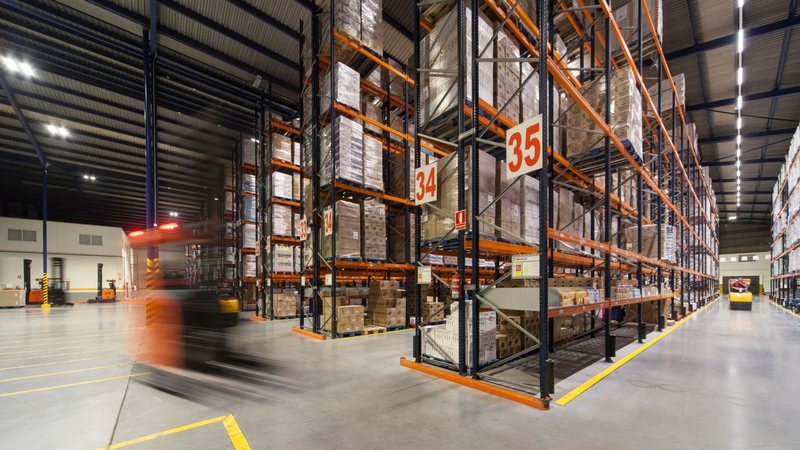
Large production floors, warehouses, assembly lines, and storage areas usually operate for extended periods, if not around the clock, so lighting can represent a significant chunk of a facility's electricity consumption.


One solution is to simply replace conventional luminaires with the latest generation of energy-efficient LED luminaires, which use much less power to deliver the same or superior illumination. But your efficiency improvements don't need to stop there: you can optimise even further by aligning your lighting with actual operational needs using a connected lighting management system like Signify Interact.


Signify Interact integrates with sensors that detect occupancy and daylight, so your lights automatically dim or switch off when nobody's around or there's enough natural light available. You can also monitor lighting-related energy consumption to identify inefficiencies and make more informed decisions about when and where light is needed.


Together, more energy-efficient luminaires and intelligent lighting management can help you squeeze as much as possible out of every single watt.


Solar hybrid lighting Edinburgh


2. Save money and the planet


Reducing your environmental impact and improving business performance don't have to be competing priorities. Lower energy consumption means lower bills, helping you keep operating expenses under control without hindering performance.


Maintenance is another obvious area for improvement. Industrial lighting installations can be difficult and costly to maintain, but new-generation LED luminaires perform reliably throughout their typically long lifetime, which can be up to 100,000 hours. The longevity of LEDs not only produces less waste – which is good for the planet – it also minimises spending, disruption, and downtime, allowing you to focus on manufacturing.


As with energy consumption, you can optimise your maintenance spending even further by adding remote monitoring and management through a connected lighting platform like Signify Interact. By using real-time and historical data, you can better understand the status and operation of your lighting assets to identify and remedy maintenance issues before they even occur.


In this way, a well-designed lighting solution can deliver savings throughout its operational life while also helping you make progress toward your sustainability objectives.

3. Reduce emissions, increase safety


For manufacturers working toward net-zero targets, reducing greenhouse gas emissions is a central priority. But sustainability must always go hand-in-hand with a safe, productive working environment.


Energy-efficient LEDs can support your decarbonisation efforts while also providing uniform light distribution, glare control, and consistent brightness for tasks requiring high visibility and focus. Meanwhile, a system like Signify Interact lets you analyse performance to continuously optimise consumption and drive broader decarbonisation strategies.


Beyond reducing energy consumption, a lighting upgrade can also help your facility stay compliant with ever-evolving safety and environmental regulations. Signify Interact features automatic emergency lighting testing and reporting, for example, which ensures worker safety without the need for time-consuming on-site inspections.
 

So, by making a few well-targeted improvements to your lighting, you can control your emissions while continuing to safely meet the needs of your operations. 

Practical steps toward a lower-impact industry


Reducing the environmental impact of manufacturing doesn't always require major investments or fundamental changes to production processes. Meaningful progress can start with a more efficient approach to an essential part of everyday operations: lighting.


By upgrading to new-generation, energy-efficient LED luminaires, manufacturers can reduce electricity consumption, lower operating and maintenance costs, and support their decarbonisation goals without sacrificing safety or performance.


When combined with a connected lighting management system like Signify Interact, these benefits can go even further, unlocking the possibility to continuously improve performance and stay up to date with changes in regulations.


By making smarter lighting choices today, businesses can take meaningful steps toward a more efficient, cost-effective, and sustainable industrial future.

About the author:

Clark Morrow


Clark Morrow
Channel & Segment Manager, Professional lighting, Signify UK&I

About Signify


Signify (Euronext: LIGHT) is the world leader in lighting for professionals and consumers and lighting for the Internet of Things. Our Philips products, Interact connected lighting systems and data-enabled services, deliver business value and transform life in homes, buildings and public spaces. In 2022, we had sales of EUR 7.5 billion, approximately 35,000 employees and a presence in over 70 countries. We unlock the extraordinary potential of light for brighter lives and a better world. We achieved carbon neutrality in our operations in 2020, have been in the Dow Jones Sustainability World Index since our IPO for six consecutive years and were named Industry Leader in 2017, 2018 and 2019. News from Signify is located at the Newsroom, Twitter, LinkedIn and Instagram. Information for investors can be found on the Investor Relations page.

Meydan Bridge