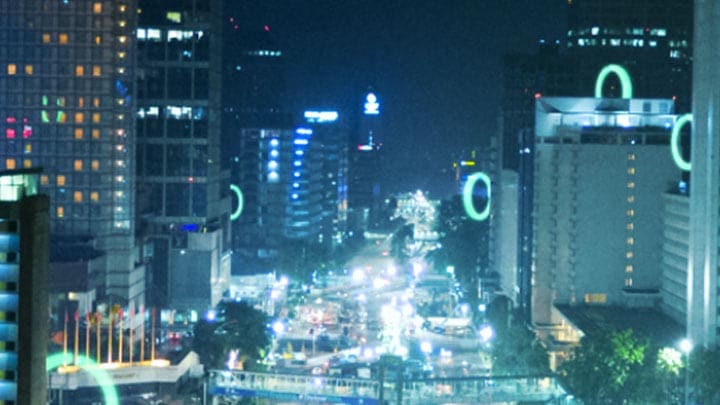
The building and construction sector plays a crucial role in addressing climate change. Nearly 40 per cent of global carbon emissions are attributed to buildings, primarily driven by energy consumption for lighting, heating, and cooling. This creates an urgent need to adopt more efficient and sustainable solutions while continuing to support productivity, comfort, and wellbeing for building occupants.
Lighting sits at the intersection of environmental responsibility and human performance. Well-designed and intelligently managed lighting solutions are helping transform buildings into spaces that are both lower in carbon impact and better for the people who use them every day. Reducing emissions in buildings is no longer optional. Regulations are becoming more demanding, tenant expectations are increasing, and organisations are under pressure to lower operating costs while improving performance. Addressing these challenges requires both innovation and collaboration.
As the built environment faces growing pressure to decarbonise, we are working closely with Schneider Electric and Pineapple Partnerships through the Pineapple CoRE initiative. This collaboration focuses on addressing some of the most complex challenges in commercial real estate, including fragmented supply chains, limited access to funding, and slow implementation. By combining expertise across lighting energy management and delivery models, we are supporting a more coordinated and practical approach to improving the performance of existing buildings. This systems-based approach is critical given the scale of the challenge. Commercial and industrial buildings account for a significant share of global carbon emissions, and many still operate with outdated and inefficient infrastructure. Coordinated solutions are crucial for accelerating meaningful progress.